As an awning pole supplier, I often encounter customers who are unsure about how to determine if an awning pole is strong enough for their needs. It’s a crucial consideration, as the strength of the awning pole directly impacts the safety and durability of the entire awning structure. In this blog post, I’ll share some insights and practical tips to help you assess the strength of an awning pole effectively. Awning Pole
Understanding the Load Requirements
The first step in evaluating the strength of an awning pole is to understand the load requirements it will need to bear. Awnings are subject to various types of loads, including static and dynamic loads. Static loads refer to the weight of the awning fabric, the frame, and any additional accessories attached to it. Dynamic loads, on the other hand, are caused by external factors such as wind, rain, and snow.
To determine the static load, you need to know the weight of the awning components. This information is usually provided by the awning manufacturer. Add up the weight of the fabric, frame, and any accessories to get the total static load.
Dynamic loads are more challenging to calculate as they depend on various factors such as the location of the awning, the local weather conditions, and the height of the installation. In general, areas with high wind speeds, heavy rainfall, or significant snowfall will require stronger awning poles to withstand the dynamic loads.
To estimate the dynamic load, you can refer to local building codes and standards. These codes often provide guidelines on the wind and snow loads that structures in a particular area need to be designed to withstand. You can also consult with a structural engineer who can perform a detailed analysis based on the specific location and requirements of your awning.
Material and Construction
The material and construction of the awning pole play a significant role in its strength. Different materials have different strength properties, and the way the pole is constructed can also affect its overall performance.
Materials
- Aluminum: Aluminum is a popular choice for awning poles due to its lightweight, corrosion resistance, and relatively high strength. It is available in various grades, with higher grades generally offering greater strength. Aluminum poles are often used in residential and commercial awnings where weight is a concern.
- Steel: Steel is known for its high strength and durability. It can withstand heavy loads and is suitable for awnings in areas with extreme weather conditions. However, steel is heavier than aluminum and is prone to rust if not properly coated or treated.
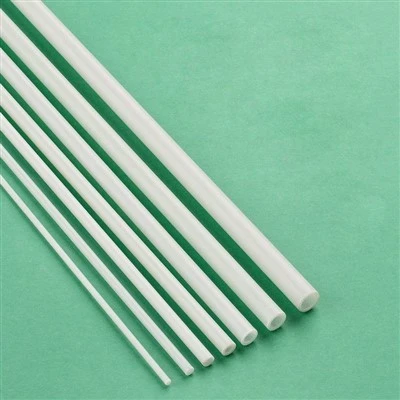
- Fiberglass: Fiberglass poles are lightweight, strong, and resistant to corrosion. They are also flexible, which allows them to absorb some of the energy from wind and other dynamic loads. Fiberglass poles are commonly used in awnings for recreational vehicles and outdoor events.
Construction
In addition to the material, the construction of the awning pole also affects its strength. Look for poles that are well – welded or have strong connections. For example, poles with seamless construction or those with reinforced joints are generally stronger.
The thickness of the pole wall is another important factor. A thicker wall can provide more strength and stability. However, it’s also important to balance the thickness with the weight of the pole, especially if you have weight restrictions or need to install the awning in a location where it will be difficult to support a heavy pole.
Testing and Certification
One of the best ways to ensure that an awning pole is strong enough is to look for products that have been tested and certified. Reputable manufacturers often conduct various tests on their awning poles to ensure they meet certain standards of strength and durability.
Laboratory Testing
Manufacturers may perform tests such as load – bearing tests, wind resistance tests, and fatigue tests. In a load – bearing test, a specific amount of weight is applied to the pole to see how it responds. Wind resistance tests simulate the effects of strong winds on the pole, and fatigue tests assess how the pole performs over repeated cycles of loading and unloading.
Certification
Certification from recognized organizations is a good indication that the awning pole has met certain quality and strength standards. For example, in the United States, the International Building Code (IBC) and the American Society of Civil Engineers (ASCE) standards are widely used to assess the strength and safety of building structures, including awnings. Look for poles that are certified to meet these or other relevant standards.
Installation and Support
Proper installation and support are essential for ensuring that an awning pole can perform its function effectively. Even the strongest awning pole can fail if it is not installed correctly.
Installation Method
When installing the awning pole, make sure to follow the manufacturer’s instructions carefully. The installation method should be appropriate for the type of awning and the location where it will be installed. For example, if the awning is installed on a building, the pole should be securely attached to a solid structure. If it is a free – standing awning, the base of the pole should be properly anchored to the ground.
Support Structure
In some cases, additional support structures may be required to enhance the strength of the awning pole. For example, guy wires can be used to provide lateral support, especially in areas with high wind speeds. Brackets or braces can also be used to reinforce the connection between the pole and the awning frame or the building.
Future – Proofing Your Awning Pole
As a supplier, I always encourage my customers to think about the long – term when choosing an awning pole. Consider factors such as potential changes in weather conditions, future expansions of the awning, or changes in the use of the area where the awning is installed.
If you live in an area where the weather is becoming more extreme due to climate change, it may be wise to choose a stronger awning pole than what is currently required. Similarly, if you plan to add more accessories or expand the awning in the future, a stronger pole will be better able to handle the additional load.
Conclusion
Determining if an awning pole is strong enough requires a comprehensive understanding of the load requirements, careful consideration of the material and construction, and attention to installation and support. By following the tips outlined in this blog post, you can make an informed decision when choosing an awning pole for your needs.
Camping Tent Pole If you’re in the market for high – quality awning poles, I’d be happy to assist you. Our company offers a wide range of awning poles made from different materials and with various strength ratings to meet your specific requirements. Whether you’re looking for a simple residential awning or a heavy – duty commercial solution, we have the expertise and products to help. Contact us to start a discussion about your awning pole needs and let’s work together to find the perfect solution for you.
References
- International Building Code (IBC). Latest edition.
- American Society of Civil Engineers (ASCE) standards related to building structures and awnings.
- Manufacturer’s product specifications and testing reports for awning poles.
Shaoxing Longfan New Materials Technology Co., Ltd.
With abundant experience, we are one of the most professional awning pole manufacturers and suppliers in China. We warmly welcome you to wholesale customized awning pole at competitive price from our factory. If you have any enquiry about cooperation, please feel free to email us.
Address: Zhangzhen Industrial Park, Zhangzhen Town, Shangyu District, Shaoxing City, Zhejiang Province (No. 1118 Shunyang Road)
E-mail: 237367356@qq.com
WebSite: https://www.longfancomposites.com/
