Operable partitions, also known as movable walls or folding partitions, are versatile architectural elements designed to provide flexible space solutions. They can be easily opened, closed, and reconfigured to adapt to different spatial requirements. These partitions are commonly made of various materials such as wood, glass, metal, or a combination thereof, and they come in different styles and sizes to suit diverse applications. Operable Partitions
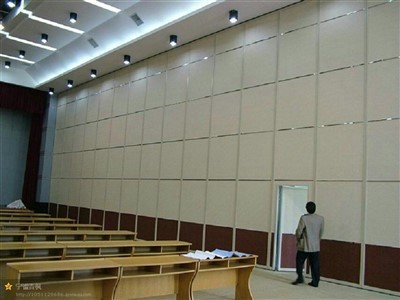
Advantages of Operable Partitions in Hospitals
1. Flexibility and Space Utilization
One of the primary advantages of operable partitions in hospitals is their ability to provide flexible space utilization. In a healthcare setting, the demand for different types of spaces can vary significantly depending on the time of day, patient volume, and the nature of medical procedures. For example, a large open area can be converted into multiple smaller examination rooms during peak hours, and then reverted to a single large space for events or training sessions when not in use. This flexibility allows hospitals to make the most of their available space, reducing the need for additional construction and optimizing resource allocation.
2. Infection Control
Infection control is a critical concern in hospitals. Operable partitions can be designed with easy-to-clean surfaces and materials that are resistant to bacteria and viruses. When properly maintained, these partitions can help prevent the spread of infections by creating physical barriers between different areas of the hospital. For instance, in isolation wards, operable partitions can be quickly deployed to isolate patients with contagious diseases, minimizing the risk of cross – contamination.
3. Privacy and Patient Comfort
Privacy is essential for patient well – being. Operable partitions can be used to create private spaces within shared areas such as waiting rooms, treatment areas, and patient rooms. Patients can have more control over their environment, which can lead to increased comfort and a sense of security. For example, in a multi – bed patient room, operable partitions can be used to separate each bed, providing patients with their own private space for rest, treatment, and consultations.
4. Noise Reduction
Hospitals are often noisy environments, with the constant hum of medical equipment, staff conversations, and patient movement. Operable partitions can be designed with sound – insulating properties to reduce noise transmission between different areas. This is particularly important in areas such as intensive care units (ICUs) and patient rooms, where a quiet environment is crucial for patient recovery. By reducing noise levels, operable partitions can contribute to a more peaceful and healing atmosphere.
5. Cost – Effectiveness
Compared to traditional fixed walls, operable partitions can be a more cost – effective solution in the long run. They require less construction time and materials, which can result in significant cost savings during the initial installation. Additionally, their flexibility means that hospitals can adapt to changing needs without the need for major renovations, further reducing long – term costs.
Considerations for Using Operable Partitions in Hospitals
1. Regulatory Compliance
Hospitals are subject to strict regulations and standards regarding patient safety, infection control, and fire safety. When considering the use of operable partitions, it is essential to ensure that they meet all relevant regulatory requirements. For example, partitions must be made of fire – resistant materials and have proper fire – rated seals to prevent the spread of fire in case of an emergency.
2. Maintenance and Durability
Given the high – traffic and demanding nature of hospital environments, operable partitions need to be durable and easy to maintain. They should be able to withstand frequent opening and closing, as well as regular cleaning and disinfection. It is important to choose partitions with high – quality components and materials that can resist wear and tear over time.
3. Integration with Existing Systems
Operable partitions need to be integrated seamlessly with existing hospital systems such as electrical, plumbing, and ventilation systems. This requires careful planning and coordination during the installation process to ensure that there are no disruptions to these critical systems.
4. Aesthetic Considerations
In addition to their functional benefits, operable partitions should also complement the overall aesthetic of the hospital. They can be designed to match the hospital’s interior design style, creating a cohesive and professional look. This is important as a pleasant and inviting environment can have a positive impact on patient and staff morale.
Real – World Examples of Operable Partitions in Hospitals
Many hospitals around the world have successfully implemented operable partitions to improve their functionality and patient care. For example, in a large urban hospital, operable partitions were installed in a multi – purpose conference room. The partitions could be easily adjusted to divide the room into smaller meeting spaces or opened up to create a single large area for conferences and events. This allowed the hospital to make better use of the space and host a variety of activities without the need for multiple dedicated rooms.
In another hospital, operable partitions were used in a surgical suite. The partitions could be quickly reconfigured to change the layout of the room depending on the type of surgery being performed. This increased the efficiency of the surgical process and reduced the risk of cross – contamination.
Conclusion
In conclusion, operable partitions can be an excellent addition to hospitals. They offer numerous benefits, including flexibility, infection control, privacy, noise reduction, and cost – effectiveness. However, it is important to consider factors such as regulatory compliance, maintenance, integration with existing systems, and aesthetics when implementing these partitions.
As a reputable operable partitions supplier, we are committed to providing high – quality, customized solutions that meet the specific needs of hospitals. Our partitions are designed with the latest technology and materials to ensure durability, functionality, and compliance with all relevant standards.

If you are a hospital administrator, architect, or any stakeholder involved in hospital planning and management, and you are considering using operable partitions in your facility, we invite you to get in touch with us. We would be delighted to discuss your requirements, provide detailed product information, and offer professional advice on the best partition solutions for your hospital. Let us work together to create a more flexible, functional, and patient – friendly hospital environment.
Operable Partitions References
- Healthcare Design Magazine. Various articles on space utilization and infection control in hospitals.
- American Society for Healthcare Engineering (ASHE) Guidelines on Hospital Design and Equipment.
- Research studies on patient comfort and privacy in healthcare settings.
Dasheng Partition Building Materials Co., Ltd.
As one of the most professional operable partitions manufacturers and suppliers in China, we’re featured by quality products and good service. Please rest assured to buy customized operable partitions at competitive price from our factory.
Address: No. 41, West Line East Road, Shizigang Industrial Zone, Dashi Community, Lishui Town, Nanhai District, Foshan City, Guangdong Province, P.R. China
E-mail: dsmobilewall@gmail.com
WebSite: https://www.movablewall.net/
