Can other stone abrasive tools be used for grinding stone stairs? Other Stone Abrasive Tools
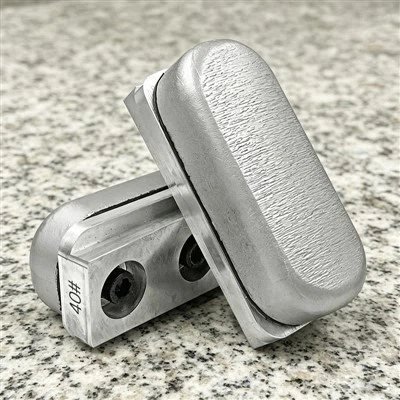
As a supplier of other stone abrasive tools, this is a question I often encounter from customers. Stone stairs are not only a functional part of a building but also an important element in interior and exterior design. The quality of grinding can significantly affect their appearance and durability. In this blog, I will delve into the feasibility of using other stone abrasive tools for grinding stone stairs, exploring various aspects such as tool types, advantages, limitations, and practical applications.
Understanding Stone Abrasive Tools
Before discussing whether other stone abrasive tools can be used for grinding stone stairs, it’s essential to understand the different types of stone abrasive tools available. There are several common types, including diamond – tipped tools, silicon carbide abrasives, and aluminum oxide abrasives.
Diamond – tipped tools are known for their high hardness and durability. They are capable of cutting and grinding through hard stones such as granite and marble with relative ease. Diamond blades, for example, are often used in the initial cutting and shaping of stone slabs. Diamond grinding wheels can provide a high – quality finish on stone surfaces due to the sharpness of the diamond particles.
Silicon carbide abrasives are another popular choice. They are relatively hard and can be used for grinding softer stones. Silicon carbide is often used in sandpaper and grinding discs. It is effective in removing small imperfections and providing a smooth surface finish.
Aluminum oxide abrasives are widely used in the grinding and polishing industry. They are less expensive than diamond – tipped tools but still offer good grinding performance. Aluminum oxide abrasives are suitable for a variety of stones and can be used for both rough grinding and fine polishing.
Advantages of Using Other Stone Abrasive Tools for Grinding Stone Stairs
1. Cost – effectiveness
One of the primary advantages is cost. Diamond – tipped tools can be quite expensive, especially for large – scale projects like grinding stone stairs. Other stone abrasive tools, such as those made with aluminum oxide or silicon carbide, are generally more affordable. For cost – conscious clients or contractors, using these alternatives can significantly reduce the overall project cost without sacrificing too much on the quality of the finish.
2. Versatility
Different stone abrasive tools offer a wide range of functions. For example, silicon carbide sandpaper can be used for fine – tuning the surface of the stone stairs after initial grinding. It can reach into small corners and edges, which might be difficult to access with larger diamond – tipped tools. Aluminum oxide grinding discs can be used for both the rough grinding to level the surface and the intermediate polishing to enhance the smoothness.
3. Ease of Use
Some other stone abrasive tools are easier to use than diamond – tipped ones. For instance, hand – held sanding blocks with silicon carbide sandpaper can be used by both professionals and DIY enthusiasts. They do not require complex machinery or specialized training to operate, which makes them accessible for small – scale projects or for making minor repairs on stone stairs.
Limitations of Other Stone Abrasive Tools
1. Limited Durability for Hard Stones
When it comes to very hard stones like granite, other abrasive tools may not be as durable as diamond – tipped tools. The abrasive particles in non – diamond tools can wear down more quickly, resulting in reduced grinding efficiency. For long – term use or large – area grinding of hard stones, the frequent replacement of non – diamond abrasive tools can offset the initial cost savings.
2. Slower Grinding Speed
Non – diamond abrasive tools generally have a slower grinding speed compared to diamond – tipped ones. This means that for large – scale projects, the time required to complete the grinding process can be longer. In a commercial setting where time is of the essence, this could lead to increased labor costs and project delays.
3. Inability to Provide Extremely High – Gloss Finishes
Diamond – tipped tools are often better at achieving extremely high – gloss finishes on stone stairs. Other abrasive tools may struggle to reach the same level of shine, especially on hard and dense stones. If a client specifically requests a mirror – like finish, diamond – tipped polishing tools are usually the better choice.
Practical Applications of Other Stone Abrasive Tools for Grinding Stone Stairs
1. Initial Surface Preparation
Other stone abrasive tools can be very useful in the initial surface preparation of stone stairs. For example, aluminum oxide grinding discs can be used to level the surface of the stairs, removing any rough spots or unevenness. This is particularly important for new stone stairs that need to be properly aligned before further finishing.
2. Intermediate and Fine Grinding
Silicon carbide sandpaper can be employed for intermediate and fine grinding. After the initial rough grinding with larger tools, sandpaper can be used to smooth out the surface, remove small scratches, and create a more uniform appearance. This step is crucial for achieving a high – quality finish on the stone stairs.
3. Maintenance and Repair
For minor repairs and maintenance of stone stairs, other stone abrasive tools are often sufficient. If there are small chips or scratches on the surface of the stairs, sandpaper or small – scale grinding discs can be used to repair the damaged area. This can save time and money compared to using more expensive diamond – tipped tools for minor work.
Choosing the Right Stone Abrasive Tools for Stone Stairs
When deciding whether to use other stone abrasive tools for grinding stone stairs, several factors need to be considered.
1. Type of Stone
The type of stone used for the stairs is a crucial factor. Softer stones like limestone or travertine can be effectively ground with non – diamond abrasive tools. However, for harder stones such as granite, diamond – tipped tools may be more appropriate, at least for the initial grinding stage.
2. Desired Finish
The desired finish of the stone stairs also plays a significant role. If a high – gloss finish is required, diamond – tipped polishing tools may be necessary in the final stages. However, other abrasive tools can still be used in the earlier stages of grinding to prepare the surface.
3. Budget and Time Constraints
Budget and time constraints are important considerations. If the project has a tight budget, other stone abrasive tools can be a cost – effective solution. On the other hand, if time is limited, diamond – tipped tools may be a better choice due to their faster grinding speed.
In conclusion, other stone abrasive tools can indeed be used for grinding stone stairs, and they offer several advantages such as cost – effectiveness, versatility, and ease of use. However, they also have limitations, especially when dealing with hard stones and high – gloss finishes. By carefully considering the type of stone, desired finish, budget, and time constraints, the most appropriate stone abrasive tools can be selected for the project.
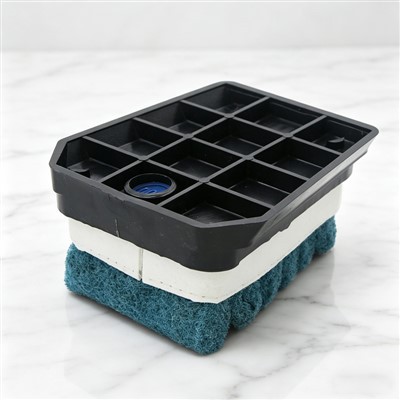
As a supplier of other stone abrasive tools, I am committed to providing high – quality products that meet the diverse needs of my customers. Whether you are a professional contractor working on a large – scale project or a DIY enthusiast looking to polish your own stone stairs, I have the right tools for you. If you are interested in learning more about our products or have any questions regarding the use of stone abrasive tools for grinding stone stairs, please feel free to contact me for a purchasing negotiation. We can discuss your specific requirements and find the best solutions for your project.
Classical Disc Abrasive References
- "Stone Masonry Handbook" by John Smith, 2nd Edition
- "Abrasive Technology and Applications" by David Brown
- Industry reports on stone grinding tools and their applications
Quanzhou Cheefung New Materials Co., Ltd.
As one of the most experienced irregular stone abrasive enterprises in China, we are able to meet the needs of the majority of our customers. Please feel free to wholesale advanced irregular stone abrasive made in China here from our factory. For price consultation, contact us.
Address: Jinshan Community, Licheng District, Quanzhou City, Fujian, China
E-mail: info@prostonetools.com
WebSite: https://www.prostonetools.com/
