Retrofitting a hydraulic system can offer a wide array of benefits, both for industrial applications and various other sectors. As a supplier of hydraulic systems, I’ve witnessed firsthand how these upgrades can transform the performance, efficiency, and longevity of equipment. In this blog, I’ll delve into the key advantages of retrofitting a hydraulic system and why it’s a wise investment for businesses. Hydraulic System

Enhanced Performance
One of the primary benefits of retrofitting a hydraulic system is the significant improvement in performance. Older hydraulic systems may suffer from wear and tear, leading to reduced efficiency, slower operation, and decreased power output. By upgrading components such as pumps, valves, and cylinders, you can restore and even enhance the system’s performance.
Newer hydraulic pumps are designed with advanced technologies that offer higher flow rates and pressures, allowing for faster and more precise movement of machinery. For example, variable displacement pumps can adjust their output based on the system’s demand, optimizing energy consumption and reducing heat generation. This not only improves the overall performance of the equipment but also extends its lifespan by reducing stress on the components.
Valves are another critical component of a hydraulic system. Retrofitting with modern valves can provide better control over the flow and pressure of the hydraulic fluid, resulting in more accurate and responsive operation. Proportional valves, for instance, allow for precise adjustment of the flow rate, enabling fine-tuning of the system’s performance to meet specific requirements.
Increased Efficiency
Efficiency is a crucial factor in any industrial operation. Retrofitting a hydraulic system can lead to significant energy savings and reduced operating costs. Older hydraulic systems often have inefficient components that consume more energy than necessary. By replacing these components with more energy-efficient alternatives, you can lower your energy bills and reduce your carbon footprint.
For example, replacing a fixed displacement pump with a variable displacement pump can result in substantial energy savings. Variable displacement pumps adjust their output based on the system’s demand, reducing the amount of energy wasted when the system is not operating at full capacity. Additionally, modern hydraulic motors are designed to be more efficient, converting more of the hydraulic energy into mechanical energy.
Another way to improve efficiency is by upgrading the hydraulic fluid. Newer fluids have better lubrication properties, which reduce friction and wear on the components. This not only extends the lifespan of the system but also improves its overall efficiency.
Improved Reliability and Durability
Retrofitting a hydraulic system can also enhance its reliability and durability. Older systems are more prone to breakdowns and failures due to worn-out components and outdated technology. By replacing these components with new, high-quality parts, you can reduce the risk of downtime and costly repairs.
Newer hydraulic components are designed to be more robust and reliable, with better resistance to wear, corrosion, and fatigue. For example, modern cylinders are made from high-strength materials and have improved sealing technology, which reduces the risk of leaks and extends their lifespan. Valves are also designed to be more durable, with better control and response times.
In addition to replacing components, retrofitting can also involve upgrading the system’s control and monitoring capabilities. This allows for real-time monitoring of the system’s performance, enabling early detection of potential problems and proactive maintenance. By addressing issues before they become major problems, you can minimize downtime and ensure the continuous operation of your equipment.
Cost Savings
While the initial cost of retrofitting a hydraulic system may seem high, it can result in significant cost savings in the long run. By improving the performance, efficiency, and reliability of the system, you can reduce maintenance costs, energy consumption, and downtime.
For example, a more efficient hydraulic system will consume less energy, resulting in lower energy bills. Additionally, by reducing the risk of breakdowns and failures, you can avoid costly repairs and replacement parts. The improved reliability of the system also means less downtime, which can have a significant impact on your productivity and bottom line.
Retrofitting can also extend the lifespan of your equipment, reducing the need for frequent replacements. This can result in substantial cost savings over time, especially for large industrial systems.
Environmental Benefits
In today’s world, environmental sustainability is becoming increasingly important. Retrofitting a hydraulic system can have a positive impact on the environment by reducing energy consumption and minimizing the use of harmful chemicals.
As mentioned earlier, upgrading to more energy-efficient components can lower your energy consumption, reducing your carbon footprint. Additionally, modern hydraulic fluids are designed to be more environmentally friendly, with lower toxicity and better biodegradability. This reduces the risk of environmental contamination in the event of a leak or spill.
Customization and Flexibility
Retrofitting a hydraulic system allows for customization and flexibility to meet the specific needs of your application. Older systems may have limitations in terms of performance, control, and functionality. By upgrading the system, you can add new features and capabilities, such as advanced control systems, remote monitoring, and automation.
For example, you can install a programmable logic controller (PLC) to automate the operation of the hydraulic system, improving efficiency and reducing the need for manual intervention. You can also add sensors and monitoring devices to provide real-time data on the system’s performance, enabling better decision-making and proactive maintenance.
Conclusion
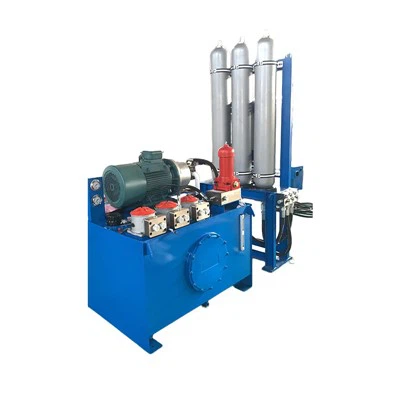
In conclusion, retrofitting a hydraulic system offers numerous benefits, including enhanced performance, increased efficiency, improved reliability and durability, cost savings, environmental benefits, and customization and flexibility. As a supplier of hydraulic systems, I highly recommend considering a retrofit for your equipment. By investing in a retrofit, you can improve the performance and efficiency of your system, reduce operating costs, and extend the lifespan of your equipment.
Industrial Hydraulic Systems If you’re interested in learning more about retrofitting your hydraulic system or exploring our range of hydraulic products and services, please don’t hesitate to contact us. Our team of experts is ready to assist you in finding the best solution for your specific needs.
References
- "Hydraulic Systems: Design, Installation, and Maintenance" by John F. Caruthers
- "Fluid Power Technology" by David Crolla
- "Hydraulic System Handbook" by Eaton Corporation
Wuhu Zhongye Fluid Equipment Co., Ltd.
We are one of the most experienced hydraulic system manufacturers and suppliers in China, specialized in providing high quality customized products. Please feel free to wholesale bulk durable hydraulic system in stock here from our factory. Contact us for quotation.
Address: No. 2, Hexing Road, Sanshan District, Wuhu City, Anhui Province
E-mail: zhongyehydro20@163.com
WebSite: https://www.zhongyehydro.com/
