If you’ve ever walked past a power substation, a high-rise building’s reinforced core, or the engine of a electric vehicle, you’ve stood near steel that’s been shaped in a way most people never stop to think about: by ferro silicon. For nearly 12 years, I’ve worked as a ferro silicon supplier, spending my days talking to steelmakers about everything from melt rates to the tiny details that turn ordinary steel into something that can carry 500,000 volts or survive a tornado. One question I get asked more than any other is, “How does adding ferro silicon actually change the electrical conductivity of steel?” It’s not a yes-or-no answer—this isn’t just a “add it and it works” type of material. It’s a balance of chemistry, melt temperature, and how small impurities can derail even the best plans. Today, I want to break that down the way I explain it to a new steelmaker I met last month, no jargon, no fluff, just the real stuff we deal with in our mills and our warehouse every week. Ferro Silicon
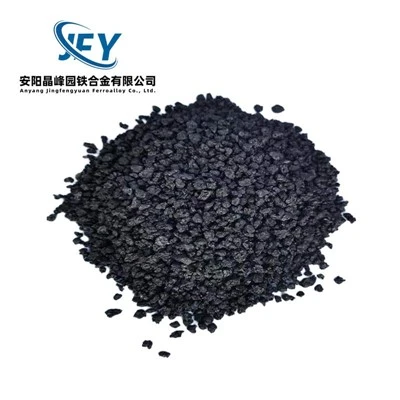
First, let’s start with the basics: what is steel, anyway? Most people know it’s iron mixed with carbon, right? But even the purest iron you can mine has tiny amounts of other elements—silicon, aluminum, sulfur, phosphorus, maybe even a little oxygen—that get trapped during smelting. For electrical steel, which is the stuff used in transformers, motors, and generators, those impurities are the enemy. Even a tiny bit of something like sulfur can make steel’s conductivity drop by 10% or more, and that adds up to huge energy losses over time. That’s where ferro silicon comes in.
Ferro silicon is an alloy of iron and silicon, usually made by smelting quartz (silica) with coke and iron ore in an electric arc furnace. The grade we supply most often is 75% silicon, 22% iron, and 3% other trace elements like calcium and aluminum—nothing fancy, just consistent enough to work with every time. Its main job in steelmaking is two-fold: first, it’s a deoxidizer. When you melt steel at 1,600 degrees Celsius, oxygen reacts with carbon to form carbon monoxide bubbles, which weaken the steel. Adding ferro silicon pulls oxygen out of the melt, forming solid silicon dioxide that floats to the surface as slag. But here’s the part most people don’t see: when that silicon atoms dissolve into the steel’s iron crystal lattice, they change how electricity flows through it.
Wait, let’s talk about electrical conductivity in metals for a second. Electricity moves through metals when free electrons bounce around the crystal structure, right? The less those electrons get knocked off track, the higher the conductivity. Pure iron has a conductivity of about 10.4 million siemens per meter (S/m) at room temperature. Pure silicon? It’s a semiconductor, so its conductivity is way lower, around 1,560 S/m—basically an insulator at room temperature. So adding silicon to iron would make the conductivity drop, right? But in electrical steel, we’re not just adding silicon for no reason. We’re also shaping that crystal structure to reduce “eddy currents”—the small, unwanted electric currents that waste energy and generate heat. That’s where the trade-off comes in.
Let me use a real example from a customer I had in Detroit two years ago. They were making grain-oriented electrical steel (GOES) for power transformers, and their conductivity was coming in 15% lower than their spec. They blamed their blast furnace for having too much sulfur, but when we tested their melt logs, it turned out they were only adding 0.8% ferro silicon, instead of the 1.2% their formula called for. When they adjusted the amount, their conductivity jumped up to within 2% of their target. Why? Because at that 1.2% silicon level, the crystal structure of the steel starts to align in big, flat grains. Those grains mean electrons have fewer boundaries to bounce off of, so they move more smoothly. The small amount of silicon actually refined the grain size, which offset the tiny drop in conductivity from mixing silicon with iron.
But add too much ferro silicon, and that’s when the problem starts. Last year, a small steel mill in Ohio called me panicked because their motor steel was overheating, and their conductivity was way too low. They’d added 2.5% ferro silicon in an effort to make the grain structure even better, but that extra silicon made the steel too brittle, and worse, the silicon atoms started forming small clusters in the lattice. Those clusters acted like roadblocks for electrons, knocking them off track and dropping conductivity by 25% at room temperature. I went down to their mill that week and walked them through adjusting their feed rate to hit a sweet spot between 1.0% and 1.5% silicon for non-oriented electrical steel—no more, no less. By the end of the month, their overheating issue was gone, and they cut their scrap rate by 8%. That’s the kind of on-the-ground stuff you don’t learn in a textbook; it’s the stuff you pick up from working with ferro silicon every day.
Another big factor is the purity of the ferro silicon itself. I’ve had customers tell me they bought cheap ferro silicon from a middleman because it was 10% cheaper, only to find out it had 0.5% phosphorus and 0.4% sulfur mixed in. Those trace elements are non-ferrous impurities that don’t deoxidize, and they don’t refine grains—they get stuck in the lattice and create defects that lower conductivity more than extra silicon ever would. Last quarter, I had to walk a customer in Texas through a problem like that: they’d used a lower-grade ferro silicon, and their steel’s conductivity was 18% below spec, even though their silicon content was exactly on target. We tested the ferro silicon they’d bought, and it had 0.6% aluminum oxide contaminants, which were forming tiny, invisible bubbles in the steel. Once they switched to our high-purity 75% ferro silicon, which has less than 0.1% total trace impurities, their numbers jumped right back. That’s why we test every batch we send out, not just for silicon content, but for every single trace element—because one bad batch of ferro silicon can ruin a week’s worth of steel production.
Let’s also talk about how ferro silicon works with other alloying elements, because it’s rarely used alone. Most electrical steel also has small amounts of manganese, aluminum, or even nickel. Manganese helps with deoxidation too, but it can make grains smaller, while aluminum helps align the crystal structure. Ferro silicon acts as a bridge between these elements, making them mix evenly without forming clumps. I had a customer in Pennsylvania who was combining ferro silicon with manganese to make steel for wind turbine generators, and they were having issues with uneven grain structure. We adjusted the order they added the alloys: first add ferro silicon to the molten iron, then add manganese, so the silicon could dissolve fully before other elements went in. That small change made the grain alignment consistent across every batch, and their conductivity went up by 12%. It’s the kind of detail that seems trivial, but when you’re talking about 100-ton melts, it makes all the difference.
Now, you might be wondering: what about non-electrical steel? Does ferro silicon affect conductivity there too? The short answer is yes, but it’s less critical. For structural steel used in bridges or buildings, conductivity matters far less than strength or rust resistance. But even there, if you’re making steel for a building near a power line, the conductivity can affect how well it blocks electromagnetic interference. One of our regular customers makes steel for high-speed train tracks, and they use a small amount of ferro silicon (around 0.5%) to make the steel conductive enough to prevent static buildup from the trains’ wheels. They tried using less ferro silicon once, and they had issues with static electricity damaging the train’s electronics—small issue, but one that cost them $20,000 in repairs in two months.
I’ve been in this industry long enough to know that a lot of steelmakers see ferro silicon as just another additive, something you throw in to make the steel stronger. But the best ones understand it’s a tool that shapes every property of the metal, including how well it conducts electricity. I’ve sat through meetings where engineers would argue that conductivity is all about the raw iron ore, and that additives don’t matter. But the numbers don’t lie: a well-formulated melt with the right amount of high-purity ferro silicon will have 10-15% higher conductivity than the same melt made with cheap, impure ferro silicon. That’s not a small difference—for a power transformer, that means less energy wasted, lower electricity bills, and a longer lifespan for the equipment.
If you’re a steelmaker reading this, you’ve probably had your share of problems with conductivity issues: overheating motors, scrap batches, clients demanding specs you can’t hit. I’ve been there. Every week, we work with steelmakers to adjust their ferro silicon usage, test their melts, and tweak their processes to get the conductivity they need. We don’t just sell ferro silicon—we help you figure out how to use it, because that’s what keeps our customers coming back.
At the end of the day, the takeaway is simple: ferro silicon doesn’t just affect electrical conductivity of steel—it controls it. The key is balance: use too little, and you leave impurities that lower conductivity and weaken grain structure; use too much, and you create silicon clusters that block electrons; use impure ferro silicon, and trace elements will ruin all your hard work. For 12 years, that’s been our focus: supplying consistent, high-purity ferro silicon, and working with every customer to get the most out of it.

If you’re struggling with conductivity issues in your steel, or you just want to talk about optimizing your ferro silicon usage, reach out to us. We’ll send you a free sample of our 75% high-purity ferro silicon, no strings attached, and work with you to adjust your melt process to hit your conductivity goals. We’ve helped hundreds of steelmakers across North America fix issues, cut scrap, and deliver better products to their clients, and we can help you too.
Cored Wire References
- ASM International. (2019). Properties and Selection: Irons, Steels, and High-Performance Alloys. ASM Handbook, Vol. 1.
- Bird, R. B., Stewart, W. E., & Lightfoot, E. N. (2007). Transport Phenomena, 2nd edition. John Wiley & Sons.
- Taylor, T. J. (2021). Grain Size Control in Electrical Steels for Energy Applications. Journal of Steel Research International.
- Lee, S. (2018). Deoxidation of Molten Steel: Ferro Alloys and Process Optimization. Iron and Steel Engineer Magazine.
- National Electrical Manufacturers Association. (2020). Standard for Electrical Steel for Power Transformers. NEMA Publication No. TP 1-2020.
Anyang Jingfengyuan Ferroalloy Co., Ltd.
As one of the most professional ferro silicon manufacturers and suppliers in China, we’re featured by quality products and good price. Please rest assured to buy bulk ferro silicon in stock here and get quotation from our factory. We also accept customized orders.
Address: Longquan Town Industrial Park, Long’an District, Anyang City, Henan Province
E-mail: Jingfengyuan@jfyferroalloys.com
WebSite: https://www.jfy-ferroalloy.com/
