If you’ve ever stared at a sheet of rice paper blank and felt that tight, anxious buzz in your chest—the same buzz that makes the finest Gongbi decorative painters lean in, brush hovering an inch from the surface—you know the gap between wanting to create and actually making something that feels true to the Gongbi spirit. As someone who’s spent 12 years sourcing and supplying hand-finished Gongbi decorative pieces, I’ve talked to dozens of artists: from hobbyists who pick up brushes on weekends to established painters who’ve been working in the style for decades. The question I hear most isn’t “how to paint Gongbi” – it’s “how to keep my creative edge sharp, while honoring the exacting traditions that make Gongbi stand out.” Gongbi isn’t just “detailed painting” – it’s a discipline that balances precision with heart, so improving creative ability here means figuring out how to bend those strict rules to fit your unique voice, without breaking what makes the style timeless. Gongbi Decorative Painting
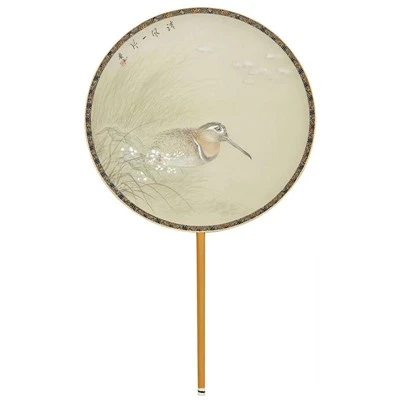
Let’s start with the part no one tells you: creative ability in Gongbi doesn’t come from “thinking outside the box.” It comes from knowing the box so well, you can rearrange its corners, shift its walls, and even bring in a few extra shelves without anyone noticing. For new painters, the first few years are all about mastering the foundational techniques—lining with fine silk brushes, layading mineral and plant pigments, preparing rice paper or silk for adhesion. But here’s the mistake I see again and again: once an artist can paint a perfect lotus or a graceful heron, they stop learning. They get stuck repeating the same compositions, the same color palettes, because it’s “safe.” Creative stagnation happens when you confuse mastering technique with mastering the art form. As a supplier, I work with a lot of emerging painters who come to us with ready-made supplies, only to return six months later asking for custom pigments or a roll of unbleached silk, because they’re ready to experiment. That’s the first step: creative growth starts when you stop seeing supplies as just tools and start seeing them as collaborators.
Take pigment, for example. Traditional Gongbi uses specific, centuries-old pigments: malachite green, cinnabar red, azurite blue, all ground by hand. But what if you mix a tiny bit of modern, lightfast synthetic pigment with traditional azurite? I had a young painter last year who added a touch of soft, muted violet to her azurite background for a peacock piece, and the result was stunning—she kept the crisp lines of the traditional style, but the color felt fresh, not like something from a textbook. The key here is subtlety. Gongbi’s core is precision, so your creative experiments shouldn’t override that. They should enhance it. I always tell the painters I work with: when you want to try something new, start small. Add a drop of an unfamiliar pigment to your next wash. Use a slightly larger brush for a single line in a composition that usually calls for a fine tip. These small shifts keep your hand flexible, and your eye open, without making your work unrecognizable as Gongbi.
Next, let’s talk about observation. Gongbi painters have always been keen observers of nature—they don’t just paint a flower; they paint the way its petals curl when it’s just opened, the way light hits a bird’s feathers at dawn, the way a bamboo stalk bends in a gentle breeze. But here’s where creativity meets inspiration: most painters only observe what they think “should” be there. If you only look at reference photos of classic Gongbi lotus, you’ll never create a lotus that feels like it’s growing in your backyard, not a painting from a museum. I supply a lot of my painters with rice paper that’s slightly textured, not the smooth, “perfect” paper you find in art supply stores. Why? Because that textured paper forces them to look closer. When a line catches on a tiny ridge in the paper, you can either get frustrated, or you can adjust that line to follow the ridge—turning a “flaw” into a creative choice. I’ve had painters tell me that using textured paper made them start taking walks in the park every morning, just to watch how light interacts with small, everyday things: a dandelion seed, a spider web, a wilted leaf. That’s where creativity lives—in those small, unplanned observations, not in copying masterworks.
Another way to boost creative ability in Gongbi is to intentionally break one small traditional rule every month. Wait—hear me out. Traditions are important, but blind adherence is what leads to stagnation. What counts as a small rule? Traditional Gongbi doesn’t include abstract shapes in the composition; so try adding one tiny, soft abstract line in the background of your next piece. Traditional Gongbi uses a limited color palette for each piece; so mix two pigments you’ve never paired before, just for a wash that takes up 10% of the composition. Traditional pieces don’t have text in the painting itself; so add one small, hand-written phrase in a soft ink, that fits with the mood. I work with a painter in Shanghai who started adding tiny, hidden marks to her pieces—small dots that look like dewdrops, but are actually initials of the people she’s making the art for. It’s a small break from tradition, but it makes every piece feel personal, and uniquely hers. The key here is to only break one rule at a time. If you break 10 rules in one piece, you’re not being creative—you’re abandoning the style. Small, intentional breaks keep your work feeling fresh, while still rooted in what makes Gongbi special.
Then there’s the often-overlooked part: practice that’s not about “perfecting” a piece, but about exploring. Most painters spend most of their time on commissions or pieces they intend to sell, and that leaves no room for creativity. As a supplier, I recommend setting aside 20% of your practice time for “sketchbook pieces” – small, unfinished, experimental works that don’t have a purpose. Last year, a regular customer of mine, a veteran Gongbi painter, told me that he used to only paint pieces that he could sell to hotels or home decor clients. Then he started buying small rolls of silk just for these sketchbook pieces—no commissions, no deadlines, just painting whatever came to mind. He started painting his cat, his morning coffee mug, the way the snow looks on his window sill. After six months, he came to me with a set of 10 pieces that were all personal, all rooted in his unique experience, and every single one sold within a week, because they had a heart that his commission pieces sometimes lacked. Clients can spot when a piece is painted just to sell, and when it’s painted with intention. That intention comes from the experimental, practice pieces that no one else will ever see.
I also want to talk about the role of community, and how that fuels creativity. For too long, Gongbi painting has been seen as a solitary practice—someone locked in a room, working alone for hours. But I’ve seen the opposite: when painters connect with other Gongbi artists, they push each other to grow. I host small, informal meetups for the painters I supply, twice a year, where we bring our experimental pieces, show them, and talk about what worked, what didn’t. Last year, a painter from Beijing brought a piece where she used gold leaf in a way that’s not traditional in Gongbi—she added tiny flecks of gold to the edges of cherry blossoms, to make them look like they’re glowing in moonlight. No one had ever done that in the group, and it sparked five other painters to try using gold in new ways in their next pieces. Even if you don’t have a local group, you can connect with other Gongbi painters online—share your work, ask for feedback, don’t be afraid to ask “what if?” Someone out there has asked the same question, and might have an answer that makes your work better.
Wait—what about common barriers? I hear painters say all the time: “I don’t have the time to experiment,” “I can’t afford expensive pigments,” “I don’t know how to start.” Let’s address those, because they’re real, and they stop a lot of creative growth. First, time: you don’t need 8 hours a day. Set aside 30 minutes a day for experimental work—even 15 minutes. Use the leftover pigment from your regular pieces, so you’re not wasting supplies. As someone who supplies Gongbi materials, I tell all my painters that they don’t need to buy the most expensive silk or the rarest pigments to be creative. The most creative experimental piece I’ve ever seen came from a hobbyist who used old rice paper from a notebook, mixed leftover malachite with watercolor she had at home, and painted a tiny flower. It was rough, it wasn’t perfect, but it had creativity that far surpassed many of the store-bought pieces. Expensive supplies can be intimidating, so don’t let that stop you.
Another barrier: fear of being “not good enough.” So many painters hide their experimental pieces, because they’re scared others will judge them for breaking tradition, or for making “imperfect” work. Let’s be clear: the greatest Gongbi artists in history didn’t paint perfect pieces. They painted pieces that had personality, that told a story, that pushed the style forward. Yan Liben, one of the most famous Tang Dynasty Gongbi painters, wasn’t just a technical master—he painted scenes of everyday people, not just nobles and gods, which was radical for his time. He broke small rules, he experimented, and that’s why his work is still celebrated today. Fear of imperfection is the biggest killer of creativity, especially in a style as precise as Gongbi. Remember: every masterpiece started as a rough sketch, as an experimental line, as a piece that didn’t feel “right” at first.
Now, tying this back to you, if you’re a Gongbi decorative painter reading this. Improving your creative ability isn’t about becoming a different artist—it’s about adding layers to what you already do. It’s about keeping the precision that makes Gongbi so beloved, while adding the unique perspective that only you can bring. As a supplier, I’ve seen this happen again and again: a painter starts out making traditional lotus pieces, experiments with a hint of violet in the blue, adds a hidden personal mark, paints a sketchbook piece about their cat, and suddenly their work is in demand, because it’s not just art—it’s art that feels human.
If you’re a buyer looking for Gongbi decorative pieces, you’ll notice the difference too. A piece with creative heart isn’t just a decoration for your wall—it’s a conversation starter. It’s a piece that makes you look closer, that makes you notice the tiny details, that feels like it has a story to tell. That’s the magic of Gongbi, and that’s where creative ability lives—at the intersection of tradition, technique, and your own unique voice.
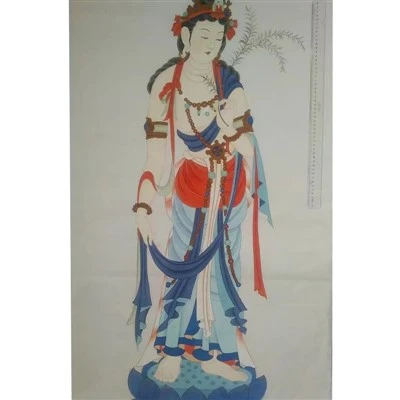
At the end of the day, improving creative ability in Gongbi Decorative Painting is a practice, not a destination. It’s not something you master once, and then you’re done. It’s something you work on every day, with every brush stroke, every pigment mix, every small choice to step outside what’s safe. If you’re ready to take that step, whether you’re a painter looking to grow your craft or someone looking to source original Gongbi pieces that stand out, we’re here to support you. We provide a range of traditional and custom materials for Gongbi artists, and we work with creators to bring their unique, creative visions to life. Reach out to us to discuss your needs, whether you’re looking for supplies to experiment with, or to collaborate on a custom Gongbi decorative piece that fits your space.
Hand Painted Wall Art References:
- Li, Z. (2019). The Evolution of Gongbi Painting: Tradition and Innovation in Contemporary Chinese Art. China Art Press.
- Wang, M. (2021). Techniques of Traditional Gongbi Pigment Preparation and Modern Adaptations. Journal of Chinese Art Crafts, 45(2), 112-128.
- Chen, L. (2022). Creativity and Discipline: Balancing Innovation in Traditional Chinese Painting. Art Education Research, 30(4), 67-82.
- Zhang, H. (2018). Observational Practice in Gongbi Landscape Painting: From Nature to Canvas. Chinese Painting Studies, 12(3), 45-61.
Rudong Zhimu Hand Painting Studio
As one of the most professional gongbi decorative painting manufacturers and suppliers in China, we also support customized service. Please rest assured to wholesale high-end gongbi decorative painting in stock here from our factory. If you have any enquiry about quotation, please feel free to email us.
Address: No.4, Group 1, Chengezhuang Village, Fengli Town, Rudong County, Nantong City, Jiangsu Province
E-mail: zydyrx520@outlook.com
WebSite: https://www.zhimupainting.com/
