As a supplier of Nonwoven Insole Boards, I’ve often been asked about the adhesion of our product to various shoe materials. This is a crucial aspect in the shoe manufacturing industry, as a good bond between the insole board and the shoe materials ensures the longevity and quality of the final product. In this blog post, I’ll delve into the factors that affect the adhesion of nonwoven insole boards to shoe materials, share some real – world examples, and provide insights based on our years of experience in the field. Nonwoven Insole Board
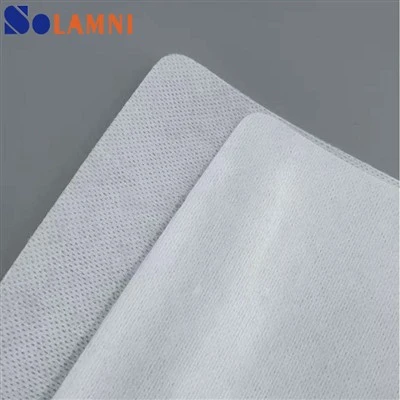
Understanding Nonwoven Insole Boards
Nonwoven insole boards are made from fibers that are bonded together through mechanical, chemical, or thermal processes, rather than being woven. This manufacturing process gives nonwoven insole boards several advantages. They are lightweight, breathable, and can be easily customized in terms of thickness, density, and shape. These properties make them a popular choice for shoe manufacturers looking to create comfortable and functional footwear.
Factors Affecting Adhesion
1. Surface Characteristics of Shoe Materials
Different shoe materials have different surface properties, which can significantly impact the adhesion with nonwoven insole boards. For instance, leather has a relatively smooth and dense surface. The natural oils and finishes on leather can sometimes act as a barrier, preventing the adhesive from forming a strong bond. On the other hand, synthetic materials like polyurethane (PU) and polyvinyl chloride (PVC) can have a wide range of surface textures. Some synthetic materials are engineered to have a high surface energy, which promotes better adhesion, while others may have a low – energy surface that requires special treatment before bonding.
2. Type of Adhesive
The choice of adhesive is crucial for achieving good adhesion. There are several types of adhesives available in the market, such as solvent – based adhesives, water – based adhesives, and hot – melt adhesives. Solvent – based adhesives have been widely used in the past due to their strong bonding properties. However, they contain volatile organic compounds (VOCs), which are harmful to the environment and human health. Water – based adhesives are more environmentally friendly, but their bonding strength may be affected by factors such as humidity and temperature. Hot – melt adhesives offer fast bonding and high initial strength, but they are sensitive to temperature changes.
3. Nonwoven Insole Board Composition
The composition of the nonwoven insole board also plays a role in adhesion. The type of fibers used, their density, and the bonding process can all affect how well the insole board adheres to shoe materials. For example, insole boards made from natural fibers may have different adhesion properties compared to those made from synthetic fibers. Additionally, the surface treatment of the nonwoven insole board, such as coating or lamination, can improve its adhesion performance.
4. Environmental Conditions
Environmental factors like temperature and humidity can have a significant impact on the adhesion process. High humidity can cause the adhesive to dry more slowly, which may lead to a weaker bond. Extreme temperatures can also affect the properties of the adhesive and the nonwoven insole board. For example, in cold temperatures, some adhesives may become brittle, reducing their bonding strength.
Real – World Examples of Adhesion
Over the years, we’ve worked with numerous shoe manufacturers, and we’ve seen firsthand the importance of adhesion. One of our clients, a manufacturer of high – end leather shoes, was facing issues with the insole board peeling off after a short period of use. After a thorough analysis, we found that the problem was related to the type of adhesive they were using. The solvent – based adhesive they had chosen was not compatible with the natural oils in the leather. We recommended switching to a water – based adhesive specifically formulated for leather, and after some surface treatment of the leather, the adhesion improved significantly.
Another client, a sports shoe manufacturer using synthetic materials, was struggling to achieve a consistent bond between the nonwoven insole board and the shoe upper. In this case, the issue was related to the surface energy of the synthetic material. We suggested a plasma treatment to increase the surface energy of the synthetic material before applying the adhesive. This simple modification resulted in a much stronger and more reliable bond.
Our Approach to Ensuring Good Adhesion
As a Nonwoven Insole Board supplier, we take several steps to ensure that our products have good adhesion with shoe materials. First, we work closely with our customers to understand their specific requirements. We consider factors such as the type of shoe materials they are using, the manufacturing process, and the end – use environment.
We also invest in research and development to continuously improve the adhesion performance of our nonwoven insole boards. We experiment with different fiber compositions and surface treatments to enhance the bond between the insole board and the shoe materials. Additionally, we collaborate with adhesive manufacturers to select the most appropriate adhesive for each application.
We offer our customers technical support throughout the bonding process. Our team of experts can provide advice on surface preparation, adhesive application, and curing conditions. We also conduct adhesion tests on a regular basis to ensure that our products meet the highest quality standards.
Summing Up
In conclusion, the adhesion of nonwoven insole boards to shoe materials is a complex issue that depends on several factors, including the surface characteristics of the shoe materials, the type of adhesive, the composition of the insole board, and the environmental conditions. However, with the right approach and a commitment to quality, it is possible to achieve a strong and reliable bond.
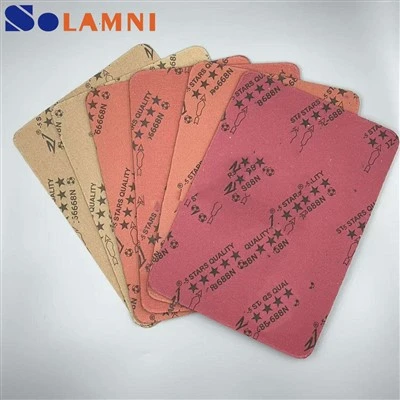
As a trusted Nonwoven Insole Board supplier, we have the expertise and experience to help you overcome any adhesion challenges you may face in your shoe manufacturing process. Whether you are working with leather, synthetic materials, or other shoe components, we can provide you with the best solutions to ensure the success of your products.
TPU Sole If you are interested in learning more about our Nonwoven Insole Boards and how they can provide excellent adhesion with your shoe materials, or if you have any specific needs or questions regarding our products, feel free to contact us for further information and to initiate a procurement discussion.
References
- ASTM International. (20XX). Standards related to adhesive bonding in footwear manufacturing.
- Sanders, J. (20XX). Shoe Materials and Manufacturing Processes. Footwear Technology Press.
- Smith, M. (20XX). Nonwoven Materials in the Footwear Industry. Journal of Nonwoven Research.
Quanzhou Asterism Import and Export Co., Ltd.
As one of the most professional nonwoven insole board manufacturers in China, we have world-leading production equipment and strong manufacturing capabilities. Please feel free to buy high quality nonwoven insole board at competitive price from our factory. Customized orders are welcome.
Address: No.6, Cuiyuan 3rd Road, Feicuiyuan, No. 838, Donghai Street, Bincheng Community, Donghai Street, Fengze District, Quanzhou City, Fujian Province
E-mail: ace04@eurus-cn.com
WebSite: https://www.sln-insoleboard.com/
