What are the typical power ratings of Middle Voltage MOSFETs?
As a supplier of middle voltage MOSFETs, I’ve had the privilege of delving deep into the world of these remarkable semiconductor devices. Middle voltage MOSFETs, typically operating in the voltage range of 200V – 600V, play a crucial role in a wide array of applications, from power supplies and motor control to renewable energy systems. In this blog, I’ll explore the typical power ratings of middle voltage MOSFETs, shedding light on their significance and how they impact various applications. Middle Voltage MOSFETs
Understanding Power Ratings
Power ratings are fundamental specifications that define the maximum power a MOSFET can handle under specific conditions. These ratings are essential for designers and engineers as they determine the suitability of a MOSFET for a particular application. The two primary power ratings for MOSFETs are continuous drain current (ID) and power dissipation (PD).
The continuous drain current (ID) represents the maximum current that the MOSFET can carry continuously without exceeding its temperature limits. It is a critical parameter, especially in applications where the MOSFET is required to handle high currents for extended periods. For middle voltage MOSFETs, the continuous drain current can range from a few amperes to several tens of amperes, depending on the device’s design and package.
Power dissipation (PD) is the amount of power that the MOSFET dissipates as heat during operation. It is determined by the product of the drain-source voltage (VDS) and the drain current (ID). Excessive power dissipation can lead to overheating, which can degrade the performance and reliability of the MOSFET. Therefore, it is crucial to ensure that the power dissipation of the MOSFET remains within its specified limits.
Factors Affecting Power Ratings
Several factors can affect the power ratings of middle voltage MOSFETs. These include the device’s internal resistance (RDS(on)), temperature, and package type.
The internal resistance of the MOSFET, known as RDS(on), is a key factor that influences its power dissipation. A lower RDS(on) value indicates less resistance to current flow, resulting in lower power dissipation and higher efficiency. Therefore, MOSFETs with lower RDS(on) values are generally preferred for high-power applications.
Temperature also plays a significant role in determining the power ratings of MOSFETs. As the temperature of the MOSFET increases, its internal resistance also increases, leading to higher power dissipation. To ensure reliable operation, it is essential to operate the MOSFET within its specified temperature range.
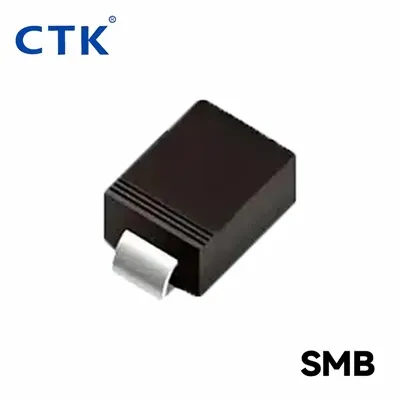
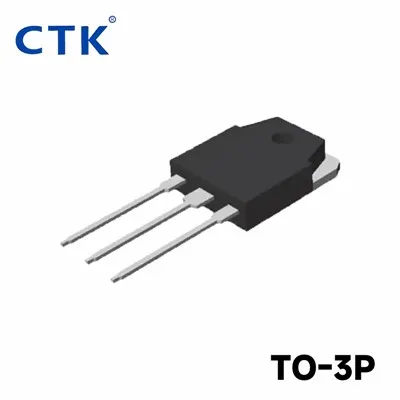
The package type of the MOSFET can also affect its power ratings. Different package types have different thermal characteristics, which can impact the MOSFET’s ability to dissipate heat. For example, a MOSFET in a TO-220 package may have a higher power rating than the same MOSFET in a smaller SOT-23 package due to its larger surface area for heat dissipation.
Typical Power Ratings of Middle Voltage MOSFETs
The typical power ratings of middle voltage MOSFETs can vary depending on the specific device and its application. However, here are some general guidelines:
- Continuous Drain Current (ID): Middle voltage MOSFETs typically have continuous drain current ratings ranging from 5A to 50A. For example, a common middle voltage MOSFET may have a continuous drain current rating of 10A, which means it can carry a maximum current of 10A continuously without exceeding its temperature limits.
- Power Dissipation (PD): The power dissipation ratings of middle voltage MOSFETs can range from a few watts to several tens of watts. For instance, a MOSFET with a power dissipation rating of 20W can safely dissipate up to 20W of power as heat during operation.
It’s important to note that these are just general guidelines, and the actual power ratings of a specific MOSFET may vary depending on its design, package, and operating conditions.
Applications and Power Ratings
The power ratings of middle voltage MOSFETs are crucial in determining their suitability for various applications. Here are some common applications and the power ratings required for each:
- Power Supplies: In power supply applications, middle voltage MOSFETs are used to regulate the output voltage and current. The power ratings of the MOSFETs used in power supplies depend on the power requirements of the load. For example, a high-power power supply may require MOSFETs with continuous drain current ratings of 20A or more and power dissipation ratings of 50W or higher.
- Motor Control: Middle voltage MOSFETs are widely used in motor control applications to drive and control the speed of electric motors. The power ratings of the MOSFETs used in motor control depend on the power and torque requirements of the motor. For example, a small DC motor may require MOSFETs with continuous drain current ratings of 5A to 10A, while a larger AC motor may require MOSFETs with continuous drain current ratings of 20A or more.
- Renewable Energy Systems: In renewable energy systems, such as solar panels and wind turbines, middle voltage MOSFETs are used to convert and regulate the power generated by the renewable sources. The power ratings of the MOSFETs used in renewable energy systems depend on the power output of the renewable source and the requirements of the load. For example, a solar panel system may require MOSFETs with continuous drain current ratings of 10A to 20A and power dissipation ratings of 20W to 50W.
Importance of Choosing the Right Power Ratings
Choosing the right power ratings for middle voltage MOSFETs is crucial for ensuring the reliable and efficient operation of the application. If the power ratings of the MOSFET are too low, the device may overheat and fail, leading to system downtime and potential damage to other components. On the other hand, if the power ratings of the MOSFET are too high, it may result in increased cost and reduced efficiency.
Therefore, it is essential to carefully consider the power requirements of the application and select MOSFETs with appropriate power ratings. This may involve consulting the datasheets of the MOSFETs, performing thermal analysis, and considering the operating conditions of the application.
Conclusion
In conclusion, the typical power ratings of middle voltage MOSFETs are essential specifications that determine their suitability for various applications. By understanding the power ratings and the factors that affect them, designers and engineers can select the right MOSFETs for their applications, ensuring reliable and efficient operation.
Middle Voltage MOSFETs As a supplier of middle voltage MOSFETs, I am committed to providing high-quality products with accurate power ratings. If you are looking for middle voltage MOSFETs for your application, I encourage you to contact me to discuss your requirements. We can work together to find the best solutions for your needs.
References
- "MOSFET Handbook" by International Rectifier
- "Power Electronics: Converters, Applications, and Design" by Ned Mohan, Tore M. Undeland, and William P. Robbins
- Datasheets of various middle voltage MOSFETs from leading semiconductor manufacturers
Tongke Electronic Co., Ltd
Tongke Electronic Co., Ltd. is one of the most experienced mid & high-mosfets manufacturers and suppliers in China, featured by quality products and low price. Please rest assured to wholesale advanced mid & high-mosfets made in China here from our factory. Contact us for pricelist.
Address: No.3,Chayuan Rd, Street 3, AilingKan, Dalingshan, Dongguan, Guangdong, China.
E-mail: jack@ctk-elec.com
WebSite: https://www.ctkchip.com/
