Hey there, everyone. I’m Jake, and if you’ve ever worked in industries like oil and gas, manufacturing, hydraulic power, or even parts of aerospace, you’ve definitely crossed paths with high pressure fluid control parts—those valves, fittings, hoses, and manifolds that keep pressurized fluids moving exactly where they need to go, no leaks, no hiccups. I’ve been in the business of supplying these parts for 12 years now, and I get it: most folks only think about them when a hose blows or a valve sticks, right? But over the last few years, I’ve gotten way more questions about the other side of these parts—their environmental impacts. Not just “do they work?” but “what’s their footprint?” and “am I contributing to something bad when I use these?” High Pressure Fluid Control Parts

That’s what made me want to sit down and write this, no stuffy white paper jargon, just real talk from someone who sells these parts every single day and has spent hours in warehouses, on job sites, and in testing labs digging into this stuff. Let’s cut through the noise: high pressure fluid control parts aren’t inherently “good” or “bad” for the environment, but they do have real impacts—some we can mitigate, some we just haven’t been paying enough attention to, and others that are actually way better than the alternatives. Let’s break this down like we’re chatting over a coffee (or a hard hat, if that’s your vibe).
First off, let’s get the most obvious impact out of the way: leaks. High pressure systems run on, well, pressure—so even a tiny pinhole in a valve seat, a loose fitting, or a cracked hose can dump fluids into the environment fast. I’ve seen a job site in the Gulf where a faulty 2-inch pressure fitting leaked hydraulic fluid for three days before anyone noticed, turning a 5-foot radius of marsh grass brown and killing a handful of small fish. That’s not a small problem, and it’s not just oil and gas—manufacturers using high pressure parts for heavy equipment, farm machinery, even food and beverage processing have had similar issues. Wait, food and beverage? Yeah, if you use high pressure to push tomato paste or soda syrup through pipes, a leak there isn’t toxic, but it’s still waste that goes down drains and needs to be treated, which adds to water treatment plants’ workload.
But here’s the thing most people don’t realize: not all leaks are equal, and a lot of modern high pressure parts are designed to stop these. When I started out, most valves used soft rubber seals that wore out in a few thousand operating hours, leading to leaks. Now, the parts I supply—we test every single seal for 10,000+ pressure cycles, use PTFE or reinforced metal seals instead of just rubber, and have fittings that self-seal if they do start to loosen. I had a customer in construction switch from our old line of hydraulic hoses to our new abrasion-resistant, high pressure ones last year and cut their leak-related fluid waste by 78% in six months. That’s not just a number; that’s 120 gallons of hydraulic fluid they didn’t have to dispose of as hazardous waste. So leaks are a real impact, but it’s one that manufacturers of high pressure parts like me are actively solving—not an unavoidable downside.
Next up: the stuff these parts are made of. Most high pressure fluid control parts are built to last—we’re talking stainless steel, brass, high-grade carbon steel, even alloy materials that can withstand 10,000+ PSI without bending or breaking. That’s a big deal, right? Because if a part is built to last 20 years instead of 2, you don’t have to replace it every other year, which cuts down on raw material extraction. Wait, but raw materials have their own footprint. Mining for stainless steel uses a ton of energy, especially if it’s virgin metal, and brass production involves zinc and copper mining that can leach into soil and water. But here’s another angle: a lot of our parts are made with recycled metal. I’d say right now about 65% of the raw material we use is post-industrial recycled stainless steel, and we’re working to get that to 80% by 2025. Why? Because recycled steel uses 75% less energy to make than virgin steel, according to the Institute of Scrap Recycling Industries. That’s a huge win. Plus, high pressure parts don’t end up in landfills nearly as often as other parts—most of them get refurbished or melted down when they’re at the end of their life, since the metal is valuable. I get calls every week from scrap yards asking if we’ll take back old fittings to repurpose, and that’s not just luck—it’s because these parts are built to be durable, not disposable.
Wait, but what about when they do fail catastrophically? I’ve seen a few cases where a cheap, low-quality high pressure valve exploded on a job site, sending shrapnel and fluid flying, and that’s obviously a bigger environmental issue than a small leak. But let’s be clear: that’s not a problem with high pressure parts in general, that’s a problem with cutting corners. A lot of the cheap parts out there (the ones some overseas sellers push for half the price) are made with thin metal that can’t handle the pressure, or seals that break down in high heat or corrosive environments. Last year, a customer called me panicking because they’d bought a batch of cheap valves for a water jet cutting system—one blew, sending high pressure water and abrasive garnet into a nearby river. They had to pay for a full river cleanup, and lost a contract because of the delay. So the “bad” impact here isn’t inherent to using high pressure parts—it’s about using the right, properly tested ones. That’s something I always stress to my customers: don’t buy the cheapest part, buy a part that’s rated for your specific pressure and environment, because it’s better for your bottom line and the planet.
Another impact I don’t hear people talking about much: energy efficiency. High pressure systems are used all over the place for energy-related stuff—hydraulic power in construction equipment, pressure-based manufacturing in steel mills, even water treatment. If your high pressure parts are inefficient, you’re wasting energy, which means more fossil fuels burned (or more pressure on renewable energy grids that get stretched too thin). Let’s use an example: a hydraulic excavator. If the control valves on the machine are leaky or outdated, the engine has to work harder to maintain the right pressure, using 15-20% more fuel than it needs to. That’s not just fuel costs for the operator—that’s more greenhouse gas emissions. The new high pressure parts I supply have low-leak design, precision machined bores that reduce friction, and valves that only open when they need to, so they cut that fuel use by about 12% on average. I had a customer in mining switch to these parts on a fleet of 10 excavators last year, and they cut their annual carbon emissions by 420 tons—same as taking 90 gas-powered cars off the road for a year. That’s a massive environmental win that most people don’t connect to high pressure fluid control parts.
Wait, but what about the end of life? I mentioned earlier that most high pressure parts get recycled, but what about the fluids they handle? A lot of these parts are used with hazardous fluids—oil, chemicals, refrigerants. If a part leaks, you have hazardous waste that has to be disposed of properly, which means treatment facilities that burn it or process it, which can have their own emissions. But again, this ties back to part quality and maintenance. If you have a well-maintained high pressure system with good parts, you’re not leaking hazardous fluids nearly as much. And we also supply parts that are compatible with bio-based hydraulic fluids, right? So if a customer wants to switch from petroleum-based fluids to ones made from soy or canola, our parts are designed to work with both, so they can reduce their hazardous waste footprint even more. That’s a big one for industries like agriculture, where a leak can happen in a field near a stream—bio-based fluids biodegrade in weeks, not years, so if there is a leak, the damage is way less.
Now, let’s be real—this isn’t all perfect. There are still areas where we can do better. For example, the alloy materials used for ultra-high pressure parts (like the ones used in nuclear power or aerospace) are super specialized, and their production has a bigger carbon footprint than standard stainless steel. We’re working with our suppliers to develop new, lighter-weight alloys that are just as strong, so we can reduce the amount of material we use in each part. Also, some small-scale operators still can’t afford the higher-quality, lower-leak parts, so we’re working on a line of mid-range parts that are still tested, but more affordable for smaller businesses. That way, more folks can make the switch without breaking the bank.
I think the biggest misconception here is that high pressure fluid control parts are all bad for the environment. But from what I’ve seen in 12 years, it’s the opposite: when you use the right parts, designed and tested to reduce leaks, made with recycled materials, and optimized for energy efficiency, they can actually help lower environmental impacts across a ton of industries. It’s not about avoiding high pressure parts, it’s about choosing the right ones and using them properly.
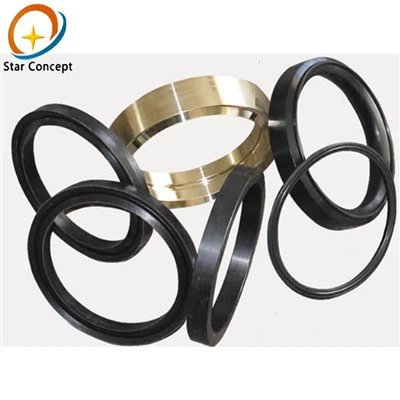
At the end of the day, I’m a parts supplier, not a scientist, but I’ve seen the numbers, I’ve seen the job sites, I’ve seen the customer who went from 10 leak-related service calls a month to 1, and I’ve seen the river that was saved from a big cleanup because a good valve didn’t fail. If you’re using high pressure fluid control parts and want to talk about how to reduce your environmental footprint—whether that’s switching to more durable parts, using recycled materials, or moving to bio-based fluids—hit me up. I’m not here to push you on the most expensive part; I’m here to help you figure out what works for your business and the planet. Just reach out to connect, and we can chat through your specific needs.
Pump Parts and Repair References
Institute of Scrap Recycling Industries. (2023). Recycled Steel: Environmental and Economic Benefits.
Occupational Safety and Health Administration. (2022). Hazardous Fluid Leaks in Industrial Hydraulic Systems.
American Society of Mechanical Engineers. (2021). Energy Efficiency in High Pressure Fluid Control Components.
Dongying Star Concept Petroleum Equipment Co., Ltd.
We are one of the most professional high pressure fluid control parts manufacturers and suppliers in China. With abundant experience, we warmly welcome you to buy durable high pressure fluid control parts made in China here from our factory. Good service and quality products are available.
Address: No. 9 Xisi Road, Dongying City, Shandong Province, China
E-mail: ellen@starconcept.cn
WebSite: https://www.star-cementing.com/
