If you’ve ever worked in food formulation—whether you’re a small-batch baker, a craft meat producer, or a plant-based food developer—you know that texture can make or break a product. A slice of deli meat that’s too mushy, a plant-based cheese that crumbles before it melts, or a loaf of bread that goes stale in 48 hours will get passed over faster than a half-eaten snack at a picnic. For years, manufacturers have reached for a handful of tools to tweak texture: hydrocolloids, modified starches, salt, even sugar. But one ingredient that’s flown under the radar for a lot of teams, especially those focused on clean labels and functional performance, is potassium acetate. As someone who’s spent the last eight years supplying this versatile compound to food brands across North America and Europe, I’ve seen firsthand how it’s not just a preservative or a pH adjuster—it’s a game-changer for texture. Today, I want to break down exactly how potassium acetate interacts with food matrices, why it’s more than just a "salt alternative," and how you can leverage it to solve some of the most common texture headaches in your products. Potassium Acetate

First, let’s get one thing straight: potassium acetate is a salt, but it’s not like sodium chloride, the table salt we all reach for at dinner. Chemically, it’s the potassium salt of acetic acid, which means it’s made up of potassium cations and acetate anions. That molecular makeup is the key to its superpowers when it comes to texture. Most people associate acetate compounds with tangy flavors or preservative work (it’s commonly used to inhibit mold and yeast growth, right?), but the way those ions interact with proteins, starches, and water in food is where the texture magic happens. Let’s start with the biggest category of food products that struggle with texture: processed meats and poultry. I can’t tell you how many times I’ve gotten a call from a deli meat producer or a fresh sausage maker complaining that their products are either too tough, too soft, or have that weird, grainy texture that makes consumers put the package back. That’s where potassium acetate steps in.
In processed meats, proteins are the backbone of texture. The main proteins here are myofibrillar proteins (like actin and myosin) and sarcoplasmic proteins, which get extracted during the curing and emulsification process. The way these proteins bind to water and fat is everything—if they bind too loosely, the meat is mushy; if they bind too tightly, it’s dry and crumbly. Potassium acetate acts as a “protein modifier” here, but not in the way you might think. Unlike phosphates, which are another common meat texture aid that some brands are moving away from for clean label reasons, potassium acetate doesn’t just disrupt protein charge—it helps stabilize the network that holds everything together. Let me explain: when you add potassium acetate to a meat batter, the acetate anions interact with the positively charged sites on the protein molecules, while the potassium cations help draw water into the protein structure. Wait, but I thought adding more water would make meat mushy? That’s the mistake a lot of new formulators make. It’s not about adding water—it’s about making the protein hold onto the water that’s already there, plus the extra you might add to improve juiciness. I worked with a small artisanal sausage maker in Wisconsin last year who was struggling with their fresh Italian sausage: their product was so dry after cooking that customers were commenting it tasted “like cardboard.” We swapped a portion of their sodium chloride and sodium phosphate blend for potassium acetate at a rate of 0.8% of the total formula, and the result was dramatic. The sausage had a tender, juicy bite, no graininess, and when we tested the yield (the amount of water and fat retained after cooking), it went from 82% to 91%—that’s a 9% improvement in moisture retention, all from adjusting how the protein network holds onto water.
Another big win for potassium acetate in meat products is in preventing “slump” in cured meats. Slump is that phenomenon where a sliced ham or deli turkey loses its shape over time, getting softer and more spread out in the package, and even leaking excess liquid at the bottom of the tray. That’s a result of the protein matrix breaking down as pH drifts, or as the product is stored in refrigeration. Potassium acetate helps buffer pH in the slightly acidic to neutral range (most processed meats have a pH between 5.5 and 6.5, which is ideal for both protein stability and microbial safety) and strengthens the protein network so it doesn’t break down. I’ve also seen it work in whole-muscle poultry, like roasted chicken breast. A chicken breast that’s overcooked is tough and dry, but if you brine it with a solution that includes potassium acetate, the salt ions help break down a small portion of the protein’s cross-links, making the meat more tender, and the moisture is trapped so it doesn’t leak out when you slice it. A lot of plant-based poultry brands are also catching on to this—they use potassium acetate to mimic the tenderness of real poultry without adding artificial texturizers.
Next up: bakery products, another space where texture is non-negotiable. Stale bread, gummy cookies, crumbly cakes—these are all complaints I hear from bakery brands every week. Potassium acetate’s effect here is a little different than in meat, because now we’re dealing with starches and gluten, not just animal proteins. Let’s start with staling, which is the process where retrograded starch molecules in bread and pastries re-crystallize over time, making the product hard and dry. Wait, so how does a salt help with that? Potassium acetate interacts with amylose, a type of starch that’s the main culprit in early staling. When you add potassium acetate to bread dough, the acetate ions bind to the linear amylose chains, preventing them from forming the tight, crystalline structures that make bread go stale. I had a conversation with a craft sourdough bakery in Portland, Oregon, last quarter that was struggling with their artisanal boules going stale in 3 days, even though they were baked fresh daily and sold with a 5-day shelf life. They tried adding extra preservatives, adjusting their baking time, even switching flours, but nothing worked. We added 0.5% potassium acetate to their dough (a small amount, you don’t need much here), and their staling rate dropped by almost 40%—the bread stayed soft and chewy for 7 days, without any off-flavors or artificial additives. That’s a huge win for a bakery that relies on repeat customers for fresh, high-quality bread.
Potassium acetate also helps with gluten structure in baked goods. Gluten is the network of proteins (gliadin and glutenin) that gives bread its elasticity and structure. If you have a dough that’s too elastic, it will shrink back when you bake it, creating a dense loaf; if it’s too weak, it will spread out and be flat. Potassium acetate modulates the interaction between gluten proteins and water, creating a more balanced network. I helped a cookie manufacturer in Ohio solve a problem recently: their chocolate chip cookies were either too thin and spread out, or too thick and cakey, and they couldn’t get that perfect chewy, thick texture consumers want. We tested adding potassium acetate to their dough in place of some of their sodium bicarbonate (baking soda) at a rate of 0.3%, and the result was exactly what they were looking for: the cookies held their shape during baking, had a tender, chewy crumb, and didn’t spread too much. Why does that work? The acetate ions slow down the rate of the baking soda’s reaction with the flour’s acids, so the leavening happens more gradually, which helps the gluten set at the right time. No more flat, crunchy cookies or dense, hard ones.
Now, let’s talk about a category that’s booming right now: plant-based foods. More and more brands are moving away from animal products, but they’re constantly fighting texture issues that real products don’t have. Plant-based meats, cheeses, and yogurts often struggle with things like crumbliness, poor meltability, and a “beany” or chalky texture that consumers hate. Potassium acetate is a secret weapon here because it works with plant-based proteins (like soy, pea, and wheat gluten) just like it works with animal proteins. Let’s take plant-based cheese, for example. A lot of plant-based cheeses are made from coconut oil and plant proteins, but when you melt them, they often separate, get oily, or crumble. Potassium acetate helps emulsify the fat and protein, creating a stable matrix that melts smoothly, just like dairy cheese. I worked with a plant-based cheese startup in Brooklyn last year that was launching a mozzarella block for pizza—their first prototype melted like wax, leaving a greasy pool on the pizza and no stretch. We added 1.2% potassium acetate to their formula, and after a few tweaks, their cheese had that perfect stretch when melted, didn’t release excess oil, and had a creamy, not chalky, texture. The brand went on to get picked up by a major national grocery chain, and they still use our potassium acetate in every batch.
Plant-based yogurts are another area where potassium acetate helps. Most plant-based yogurts are made from almond, oat, or soy milk, but they often have a watery, thin texture, unlike Greek yogurt which is thick and creamy. Potassium acetate helps set the plant proteins into a firmer gel structure, so the yogurt is thick enough to hold its shape, but still has a smooth, spoonable texture. No more dripping yogurt containers. I also want to mention frozen products, which have their own unique texture challenges. Ice cream that’s too icy, frozen meals that have mushy vegetables or tough meat after microwaving—potassium acetate can help here too. In ice cream, it lowers the freezing point of water slightly, which inhibits the formation of large ice crystals. Large ice crystals make ice cream feel gritty and icy, while small, uniform crystals create that smooth, creamy texture. We worked with a small ice cream maker in Vermont that was struggling with their salted caramel ice cream having a gritty texture—they were using a lot of sugar to lower the freezing point, but that made it too sweet. We swapped a portion of the sugar for potassium acetate at a rate of 0.7%, and the ice cream was creamy, not too sweet, and had no grit.
Wait, I should address a common concern I hear a lot: “Doesn’t potassium acetate add a salty taste?” That’s a fair question. The perception is that all potassium salts taste like salt, but potassium acetate is actually milder and less salty than sodium chloride, with a subtle tangy note from the acetate. When you use it at the rates we’re talking about (usually between 0.3% and 1.5% of the total formula, depending on the product), you don’t get a salty aftertaste at all—you just get the texture benefits, plus the added bonus of pH adjustment and mold inhibition if you need it. I’ve had formulators tell me they can’t even tell it’s in the product, which is exactly what you want from a texture ingredient—functional, not noticeable in flavor.
Another thing that makes potassium acetate stand out right now is that it’s clean-label friendly. A lot of the texture ingredients that have been around for years, like phosphates, are getting a bad rap with consumers who are looking for simple, easy-to-understand ingredients. Potassium acetate is on the GRAS (Generally Recognized as Safe) list by the FDA, and it’s often labeled just as “potassium acetate,” which is easy for consumers to recognize. That’s a big selling point for brands that are trying to market as natural or clean.
Now, I want to be honest—potassium acetate isn’t a one-size-fits-all solution. You can’t just dump it into any product and expect perfect texture. It all depends on the formula, the processing conditions (like temperature, mixing time, baking time), and the other ingredients you’re using. For example, in a high-acid product like pickles, you might use a lower rate of potassium acetate because the pH is already low, but in a neutral product like whole-muscle ham, you might use a higher rate to get the right protein stabilization. That’s where experience comes in—over the years, I’ve worked with hundreds of formulators to test different rates and application methods, so I know how to adjust it to fit your specific product. If you’re a formulator who’s tried potassium acetate before and it didn’t work, it’s probably because the rate was off, or you didn’t consider how it interacts with another ingredient. I’ve seen that happen a lot—someone adds it at too high a rate, and they get a weird tang, or they don’t mix it properly, so it clumps and creates spots in the product.
Speaking of application, there are a few different ways to use potassium acetate, depending on the product. In meat, it’s often added to the brine or the dry cure mix. In bakery, it can be added to the dry ingredients or dissolved in water before mixing into the dough. For plant-based products, it’s usually added to the protein blend during emulsification. The key is to make sure it’s evenly distributed throughout the product, so you don’t have patches with too much or too little. I always tell formulators to test it on a small batch first—work with 10 or 20 pounds of product, adjust the rate, test the texture, flavor, and shelf life, before scaling up. That’s the best way to avoid costly mistakes.
Over the years, I’ve seen potassium acetate go from a niche preservative to one of the most versatile texture ingredients in the food industry. I’ve watched small startups use it to launch products that solve consumer complaints, and large Fortune 500 brands use it to reformulate their products to be cleaner, without sacrificing texture. The demand for ingredients that do multiple jobs—texture, safety, clean label—isn’t going away, and potassium acetate fits that bill perfectly. It’s not just another additive; it’s an ingredient that actually makes your product better, more consistent, and more appealing to consumers.
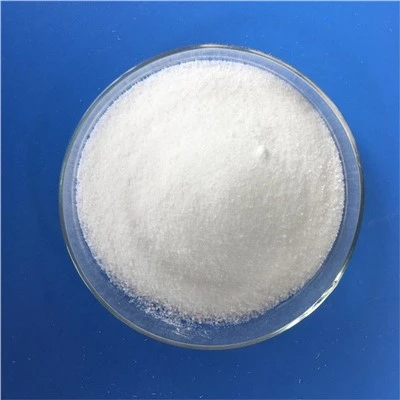
If you’re a food manufacturer who’s struggling with texture issues—dry meat, stale bread, crumbly plant-based cheese, icy ice cream—I’d encourage you to give potassium acetate a try. Whether you’re a small craft producer or a large commercial brand, we can work together to test it in your formula, figure out the right rate, and help you get that perfect texture consumers keep coming back for. We supply high-quality, food-grade potassium acetate that meets all international safety standards, and we’re here to answer any questions you have about application, rates, or anything else. Don’t let texture be the reason your product gets left on the shelf—reach out to us today to talk about how potassium acetate can transform your formulations.
Sodium Diacetate References
- Fennema, O. R. (1996). Food Chemistry (3rd ed.). Marcel Dekker, Inc.
- Damodaran, S., Parkin, K. L., & Fennema, O. R. (2007). Fennema’s Food Chemistry (4th ed.). CRC Press.
- Potter, N. N., & Hotchkiss, J. H. (1995). Food Science (5th ed.). Springer.
- Labuza, T. P. (1984). Moisture Control in Foods: How to Meet New Labeling and Processing Requirements. Food Technology, 38(1), 67-74.
- Alvarez, V. B., Canet, W., & Tortosa, M. E. (2005). Effects of potassium lactate and potassium acetate on the texture and shelf life of fresh pork sausages. Meat Science, 70(3), 487-496.
- Rosell, C. M., Rojas, J. A., & Barber, C. B. (2001). Influence of hydrocolloids on dough rheology and bread quality. Food Hydrocolloids, 15(1), 75-81.
- Guerrieri, N., & Cerletti, P. (1993). Effects of acetate on starch retrogradation. Journal of Cereal Science, 17(2), 139-147.
- On-Nom, N., Maneepun, S., & Park, J. W. (2010). Texture and microstructure of plant-based meat analogs as affected by protein sources and processing conditions. Meat Science, 84(3), 456-462.
- Zetzl, A. K., Marangoni, A. G., & Barbut, S. (2012). Protein interactions in meat emulsions: A review. Meat Science, 90(4), 896-905.
- FDA. (2023). GRAS Notice Inventory: Potassium Acetate. U.S. Food and Drug Administration.
Jiangsu Kolod Food Ingredients Co., Ltd.
As one of the most professional potassium acetate manufacturers and suppliers in China, we’re featured by quality products and good price. Please rest assured to wholesale bulk potassium acetate made in China here and get free sample from our factory. Customized orders are welcome.
Address: South Side of Weier Road, Guanyun Development Zone, Lianyungang City, Jiangsu Province, China
E-mail: sales1399@jskolod.com
WebSite: https://www.kolod-group.com/
