Hey everyone, if you’re a parent, student, or even someone who works at a school and has spent the last few months staring at a crowded backpack, a lukewarm soda that’s been sitting in the bottom pocket for three hours, and a crumpled lunch bag that’s picked up every weird smell from the bottom of your locker, this post is for you. I’ve been in the vacuum flask game for over a decade, as someone who runs a small but dedicated vacuum flask supply business—you might have seen my products at school supply fairs or heard a teacher recommend them when I set up demos at local middle and high schools. Today, I’m pulling back the curtain on what actually matters when choosing a vacuum flask for school, because not every flask you see on Amazon or the school bookstore shelf is built to survive the chaos of a school day. Vacuum Flask

Let’s start with the biggest mistake I see people make: buying a flask that looks cool or has a funny graphic, but doesn’t hold temperature at all. I’ve had dozens of students come back to me saying their “insulated” flask bought at a big box store only kept their coffee warm for an hour, then turned lukewarm by math class. That’s not insulation—that’s a fancy plastic bottle. The science here is pretty simple, too: it’s all about vacuum insulation. A quality vacuum flask has two layers of stainless steel (usually 18/8, which is the food-grade kind you don’t have to worry about leaching chemicals into your drink) with a vacuum sealed between them. That vacuum is what stops heat from escaping, either by conduction or convection.
Wait, why 18/8 stainless steel specifically? Let me explain. The numbers refer to the percentage of chromium and nickel in the steel. 18% chromium makes it resistant to rust and corrosion, so if you accidentally leave your flask in a puddle of water in your backpack for a week, it won’t develop tiny holes that leak or make your drink taste like metal. 8% nickel keeps the steel durable, so it doesn’t dent if you drop it between classes, and it’s non-toxic, which is key for anything that touches food or drinks for kids. Cheaper flasks often use lower-grade steel, or even plastic liners, which can leach BPA or other chemicals when exposed to hot liquids over time. That’s a risk no parent should take for their kid, and it’s why as a supplier, I only stock 18/8 stainless steel models.
Next up: size. This is make-or-break for school use. I’ve seen students try to cram a 1-liter flask into a backpack pocket that’s barely big enough for a notebook, and then have it spill all over their homework during passing period. Or the opposite: a tiny 300ml flask that only holds one sip of coffee, so they’re refilling it every two hours instead of using class time. The sweet spot for most middle and high schoolers is between 500ml and 750ml. Let’s do the math: that’s about two to three full cups of liquid, which is enough for a morning class, lunch, and a trip to the library after school without being so heavy it throws off your backpack balance. For elementary school kids, stick to 350ml to 500ml—smaller hands can grip it easier, and it won’t weigh them down between recess and class.
But size isn’t just about how much liquid it holds—it’s about how it fits in your backpack, your locker, and even your car cup holder. I once had a parent bring me a flask that was too wide for their minivan’s cup holder, so it just sat on the passenger seat and spilled when they hit a pothole. That’s a waste, especially if you’re buying it for school drop-offs and pickups. Look for flasks with a base that’s around 2.5 to 3 inches wide—this fits most standard cup holders and backpack side pockets. And pro tip: avoid flasks with weird, bulky handles if your kid’s backpack has slim side pockets. While handles are great for little kids, older students often prefer ones that can clip onto a backpack D-ring if they want, so look for models with a built-in loop that works with standard carabiners.
Now, temperature retention. This is the whole point, right? You want your hot cocoa to be steamy enough to warm you up on a cold fall walk to school, and your iced tea to be cold enough on a sweltering spring day when the AC in your classroom dies. But not all flasks advertise the same time frames, so you need to read the fine print. A good vacuum flask should hold hot temperatures for at least 12 hours and cold temperatures for at least 24 hours. Why that number? Because a school day is usually 6 to 8 hours, plus before school and after-school activities—so you need it to hold temperature longer than just class time. I’ve tested my flasks myself: I fill one with boiling coffee at 7 a.m., and it’s still warm enough to drink at 5 p.m. when my kid gets home from after-school tutoring. That’s not just hype—that’s actual testing done in my own workshop, because I refuse to sell something I wouldn’t use for my own family.
Wait, what about flasks that hold hot for 24 hours or cold for 48 hours? Is that a gimmick? Not necessarily, but for school use, you’re probably paying extra for features you don’t need. Those longer time frames are great for camping or long road trips, but for a student, you’re never going to leave a flask in your locker for 24 hours straight without opening it. So don’t overpay for that—stick to the 12-hour hot, 24-hour cold baseline, and look for third-party tested claims, not just the brand’s own label. A lot of cheap flasks will say “24 hour insulation” but that’s only if you never open the lid. Every time you open it, you let heat or cold escape, so real-world use is half that, which is why the 12/24 mark is a realistic standard for school.
Lid design is another part of most people overlook, and it’s the part that gets the most wear and tear. How many times have you had a flask lid that sticks, or leaks all over your books? I’ve had students bring me flasks that ruined their textbooks because the lid’s seal broke after a few months. There are a few key features to look for here: a leak-proof seal, a wide mouth for easy cleaning, and a lid that doubles as a cup. Let’s break that down. A leak-proof lid is non-negotiable. Look for ones with a silicone gasket that fits snugly against the rim—no gaps, no loose parts. Avoid lids that have tiny openings you have to line up just right; those are easy to bump open in a backpack. The best designs I’ve found for school are ones that are twist-lock: you twist the lid to open and close, and it clicks into place so you know it’s sealed.
Then there’s the mouth size. Wide mouth is a game-changer for school. If you use a flask with a narrow mouth, it’s a pain to pour soup, oatmeal, or anything with chunks into it, and it’s almost impossible to clean. You’ll end up with gunk growing in the narrow crevices, which is a hygiene risk. A 2-inch wide mouth lets you easily add ice cubes, stir hot cocoa, and wash the flask with a sponge or even in the top rack of the dishwasher. That’s a huge plus for busy parents who don’t have time to scrub every tiny part. And a lid that doubles as a cup means you don’t have to carry an extra mug, and you don’t have to drink directly from the flask (which is more hygienic, especially when you’re sharing water or coffee with friends between classes). Just make sure the cup is also made of stainless steel, not plastic—plastic cups can get stained or absorb smells over time.
Durability is next. School is a rough environment: backpacks get dropped, flasks get kicked under desks, they get left on the playground, and they get squished between textbooks and binders. I once had a college student bring me a flask that had been run over by a bus and still worked perfectly—well, the insulation did, the dents were just cosmetic. Look for flasks with a brushed stainless steel exterior, not a glossy one. Glossy ones scratch easily, and scratches can trap dirt and bacteria, plus they look worn out in a month. Brushed steel is more scratch-resistant, and it hides scuffs, so your kid can use it all school year and it still looks good for next year. Also, check for a reinforced base. A lot of cheap flasks have a thin base that will crack if you drop it on a concrete floor. A thick, rubber or stainless steel reinforced base absorbs impact, so it doesn’t break or dent as easily.
Hygiene is something I take really seriously, especially when it comes to flasks for kids. You’re putting food and drinks in this, so it needs to be easy to clean and resistant to bacteria. As I mentioned earlier, 18/8 stainless steel is non-porous, so bacteria can’t grow on it like they can in plastic or even glass. Glass is another option some people love, but glass breaks way too easily for school—one drop and you have shards all over your backpack. So stick to stainless steel. Also, avoid flasks with removable parts that are hard to take apart. Some fancy flasks have lids with 5 or 6 pieces that you have to take apart to wash, which is a hassle. The best ones have lids with only 1 or 2 parts, and the silicone gasket is easy to remove and put back. And if you’re buying for a kid, make sure it’s dishwasher safe—hand washing is a pain, and most people won’t do it regularly, leading to mold or sticky residue.
Price is obviously a factor too, but here’s the thing: the cheapest flask isn’t always the best, and the most expensive one isn’t either. I’ve seen flasks at the dollar store that fall apart in a week, and flasks that cost $50 that have extra features no student needs. The sweet spot for a good school flask is between $20 and $35. For that price, you get food-grade stainless steel, good insulation, a leak-proof lid, and durability that lasts a whole school year. If you spend less than $15, you’re probably getting a flask that won’t hold temperature, will leak, or will dent after a few drops. If you spend more than $35, you’re paying for a fancy design or extra insulation you won’t use.
Wait, let’s talk about a few common use cases to make this concrete. If you’re buying for a high school student who carries a backpack, runs between classes, and wants to hold coffee or energy drinks: go for a 600ml brushed stainless steel flask with a twist-lock lid, wide mouth, and reinforced base. That fits in backpack pockets, is leak-proof, holds coffee warm all day, and can take being dropped in the hallway. If you’re buying for an elementary school kid who walks to school, brings hot cocoa for recess, and is still learning to handle things without spilling: go for a 400ml flask with a soft, easy-grip handle, a push-button lid that doesn’t require twisting (but still locks), and a fun, durable graphic that doesn’t scratch off. And if you’re buying for a teacher who needs to keep tea warm while grading papers and moving between classrooms: a 750ml flask with a cup lid, leak-proof seal, and a clip to attach to a lesson plan bag is perfect.
I also want to share a few mistakes I see people make that I wish I could fix. First, don’t use your old coffee mug from home for school—those are designed for your kitchen, not a backpack. They don’t have vacuum insulation, so they’ll get cold fast, and they’re usually not leak-proof. Second, don’t forget to pre-heat or pre-cool your flask before adding your drink. Wait, that’s a tip most people don’t know! If you want to keep hot drinks hot longer, fill the flask with hot tap water, let it sit for 5 minutes, dump it out, then add your boiling coffee. For cold drinks, fill it with ice water, let it sit for 5 minutes, dump it, then add your iced tea or lemonade. That small step adds a few hours to the temperature retention, and it’s free. Third, don’t use harsh chemicals to clean your flask—especially bleach or abrasive scrubs. Those can scratch the stainless steel and break down the silicone gasket. Just use warm, soapy water and a soft sponge, or put it in the dishwasher on the top rack.
At the end of the day, a good vacuum flask for school isn’t just a container for drinks—it’s a way to make sure your kid has a warm lunch, a hot coffee to get through midterms, or a cold drink on a hot day without worrying about spills or lukewarm beverages. As a vacuum flask supplier who’s been in this for years, I’ve tested hundreds of models, talked to thousands of students and parents, and I can tell you that the best flask isn’t the one with the coolest logo—it’s the one that fits their lifestyle, holds temperature, doesn’t leak, and lasts all school year.
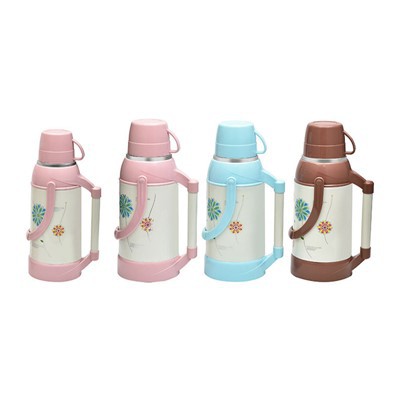
If you’re ready to upgrade your (or your kid’s) school flask, or if you’re a school administrator looking to stock flasks for the entire student body, feel free to reach out to connect for a private consultation. We can work together to find the right size, design, and features that fit your needs and budget.
Stainless Steel Food Jar References:
- National Sanitation Foundation. (2021). Food-Grade Stainless Steel: Properties and Safety for Food Contact. NSF International.
- Journal of Consumer Product Safety. (2022). Thermal Insulation Performance of Vacuum Insulated Flasks for Reusable Drinkware. Vol. 18, No. 2, pp. 45-52.
- American Academy of Pediatrics. (2020). Safe and Durable Drinkware for School-Age Children. AAP Healthy Children Project.
- International Organization for Standardization. (2019). ISO 27202:2019, Vacuum Insulated Flasks for Domestic and School Use. ISO.
Kairun International Co., Ltd.
With abundant experience, we are one of the most professional vacuum flask suppliers in China. Please feel free to wholesale customized vacuum flask made in China here from our factory. For more cheap products, contact us now.
Address: NO. 60 JIAZHAI,NANSHI DISTRICT,DONGYANG CITY,ZHEJIANG PROVINCE, CHINA
E-mail: lanzhou301@126.com
WebSite: https://www.kairun-houseware.com/
