Adjusting the tension of a profiled conveyor belt is a critical task that significantly impacts the efficiency, longevity, and overall performance of the conveyor system. As a long – time supplier of profiled conveyor belts, I’ve witnessed firsthand the importance of proper tension adjustment and the challenges that operators often face. In this blog, I’ll share some insights and practical steps on how to adjust the tension of a profiled conveyor belt effectively. Profiled Conveyor Belt

Understanding the Importance of Proper Tension
Proper tension is the key to a well – functioning profiled conveyor belt. If the belt is too loose, it can lead to slippage, tracking issues, and uneven load distribution. Slippage not only reduces the efficiency of the conveyor system but can also cause wear on the belt and the drive components. Tracking problems may result in the belt rubbing against the sides of the conveyor frame, leading to premature damage and costly repairs.
On the other hand, if the belt is over – tensioned, it can cause excessive stress on the belt, bearings, and other components. This can lead to increased energy consumption, reduced belt lifespan, and potential breakage. Therefore, finding the right balance in tension is crucial for the optimal operation of the conveyor system.
Factors Affecting Conveyor Belt Tension
Before we delve into the adjustment process, it’s important to understand the factors that can affect the tension of a profiled conveyor belt.
Load Characteristics
The type, weight, and distribution of the load on the conveyor belt play a significant role in determining the required tension. Heavier loads or unevenly distributed loads may require higher tension to prevent slippage. For example, if you’re conveying large, bulky items, the belt needs to be able to grip the items firmly without slipping under the weight.
Belt Material and Design
Different materials and designs of profiled conveyor belts have different properties that affect tension. For instance, a belt made of a more flexible material may require less tension compared to a stiffer belt. The profile of the belt can also impact the tension requirements. A belt with deeper profiles may have different load – carrying and friction characteristics, which in turn affect the tension.
Conveyor Design and Speed
The length, width, and angle of the conveyor, as well as its operating speed, can influence belt tension. Longer conveyors generally require more tension to maintain proper alignment and prevent sagging. Higher – speed conveyors may also need higher tension to ensure smooth operation and prevent the belt from flapping or vibrating.
Steps to Adjust the Tension of a Profiled Conveyor Belt
Step 1: Prepare the Conveyor System
Before making any tension adjustments, ensure that the conveyor system is shut down and the power is disconnected. This is a crucial safety measure to prevent any accidents during the adjustment process. Inspect the conveyor belt for any signs of damage, such as tears, cuts, or excessive wear. If any damage is found, it should be repaired or the belt should be replaced before proceeding with the tension adjustment.
Step 2: Locate the Tensioning Device
Most profiled conveyor systems are equipped with a tensioning device, which can be either manual or automatic. Manual tensioning devices typically consist of bolts or screws that can be adjusted to change the position of the pulley and thus change the tension of the belt. Automatic tensioning devices, on the other hand, use springs or hydraulic systems to maintain a constant tension. Locate the tensioning device on your conveyor system and familiarize yourself with its operation.
Step 3: Measure the Initial Tension
To accurately adjust the tension, it’s important to measure the initial tension of the belt. There are several methods to measure belt tension, such as using a tension meter or the deflection method. A tension meter is a device that directly measures the tension in the belt. The deflection method involves measuring the amount of deflection of the belt when a known force is applied at the mid – span between two pulleys.
Step 4: Make Incremental Adjustments
Once you have measured the initial tension, start making incremental adjustments to the tensioning device. If you’re using a manual tensioning device, turn the bolts or screws in small increments, typically one – quarter to one – half turn at a time. After each adjustment, check the tension of the belt again using the chosen measurement method. Make sure to adjust the tension evenly on both sides of the conveyor to prevent tracking issues.
Step 5: Check the Belt Tracking
As you adjust the tension, closely monitor the tracking of the belt. If the belt starts to drift to one side, it may indicate an uneven tension or other alignment issues. To correct tracking problems, you may need to fine – tune the tension or adjust the alignment of the pulleys. In some cases, additional tracking devices may be required.
Step 6: Test the Conveyor System
After making the necessary tension adjustments and ensuring proper belt tracking, reconnect the power and start the conveyor system at a low speed. Observe the operation of the belt and the conveyor system for any signs of slippage, noise, or abnormal vibrations. If everything appears to be functioning properly, gradually increase the speed to the normal operating level and continue to monitor the system.
Troubleshooting Tips
Slippage
If the belt is slipping, it may be due to insufficient tension. Check the tension using a tension meter and adjust the tensioning device accordingly. However, slippage can also be caused by other factors, such as dirty or worn – out pulleys, or a dirty belt surface. Clean the pulleys and the belt if necessary.
Excessive Belt Wear
Excessive wear on the belt can be caused by over – tensioning, improper tracking, or abrasive materials on the belt surface. Check the tension and make sure it is within the recommended range. Correct any tracking issues and ensure that the belt is not coming into contact with any abrasive objects.
Tracking Issues
Persistent tracking issues may require a more in – depth inspection of the conveyor system. Check the alignment of the pulleys, including the head pulley, tail pulley, and any idler pulleys. Make sure the bearings are in good condition and that the pulleys rotate freely. In some cases, the profile of the belt may also affect tracking, so ensure that the belt is installed correctly.
Conclusion
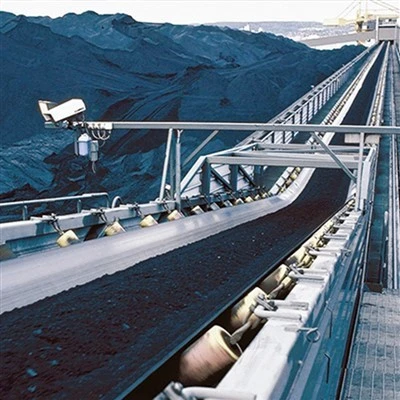
Adjusting the tension of a profiled conveyor belt is a complex but essential task for maintaining the efficient and reliable operation of a conveyor system. By understanding the factors that affect belt tension, following the proper adjustment steps, and troubleshooting any issues that arise, you can ensure that your conveyor belt operates at its best.
Aramid Conveyor Belt As a supplier of profiled conveyor belts, we are committed to providing high – quality products and comprehensive technical support. If you have any questions about adjusting the tension of your conveyor belt or need assistance with choosing the right profiled conveyor belt for your application, please don’t hesitate to contact our team. We are here to help you optimize your conveyor system and maximize its performance.
References
- Conveyor Belt Handbook by H. H. K. Schubert
- Belt Conveying Technology by R. J. Busby
- Industrial Conveyor Design Handbook by CEMA
Alumina Technology (Qingdao) New Materials Co., Ltd.
As one of the most professional profiled conveyor belt manufacturers and suppliers in China, we also support customized service. With abundant experience, we warmly welcome you to buy profiled conveyor belt for sale here and get quotation from our factory. For price consultation, contact us.
Address: No.448, Jiangshan South Road, Huangdao District, Qingdao City, Shandong Province
E-mail: Gloria.zhang@contitech.cn
WebSite: https://www.altechconveyorbelt.com/
