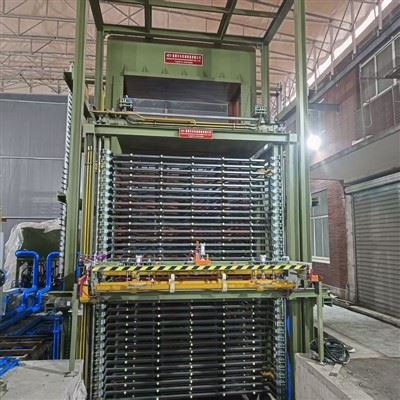
When it comes to operating a gluing machine, one of the most crucial decisions you’ll make is choosing the right glue. As a seasoned gluing machine supplier, I’ve seen firsthand how the quality and suitability of the glue can significantly impact the performance and output of the gluing process. In this blog post, I’ll delve into the various types of glues and guide you on how to select the one that best fits your gluing machine and specific application needs. Gluing Machine
Understanding the Basics of Gluing Machines and Glues
Before we explore the different types of glues, it’s essential to understand the basic function of a gluing machine. A gluing machine is designed to apply glue evenly and precisely to various materials, such as paper, cardboard, wood, plastic, and fabric. The machine’s performance depends on several factors, including the type of glue used, the viscosity of the glue, the application method, and the speed of the machine.
Glues can be classified into different types based on their chemical composition, curing mechanism, and application properties. The most common types of glues used in gluing machines include:
- Polyvinyl Acetate (PVA) Glue: PVA glue is a water-based adhesive that is widely used in the woodworking, paper, and packaging industries. It is known for its excellent bonding strength, fast drying time, and low cost. PVA glue is easy to use and clean up, making it a popular choice for many gluing applications.
- Hot Melt Glue: Hot melt glue is a thermoplastic adhesive that is applied in a molten state and solidifies upon cooling. It is commonly used in the packaging, automotive, and furniture industries. Hot melt glue offers fast bonding, high strength, and good heat resistance. It also has excellent adhesion to a wide range of materials, including plastics, metals, and wood.
- Epoxy Glue: Epoxy glue is a two-part adhesive that consists of a resin and a hardener. When mixed together, the resin and hardener react chemically to form a strong, durable bond. Epoxy glue is known for its high strength, chemical resistance, and heat resistance. It is commonly used in the aerospace, automotive, and electronics industries.
- Cyanoacrylate Glue: Cyanoacrylate glue, also known as super glue, is a fast-acting adhesive that bonds quickly to a variety of materials. It is commonly used in the jewelry, electronics, and medical industries. Cyanoacrylate glue offers excellent bonding strength, fast curing time, and good resistance to moisture and chemicals.
- Solvent-Based Glue: Solvent-based glue is an adhesive that contains a solvent that evaporates during the drying process. It is commonly used in the leather, shoe, and textile industries. Solvent-based glue offers strong bonding strength, fast drying time, and good flexibility. However, it can emit harmful fumes during the drying process, so proper ventilation is required.
Factors to Consider When Choosing a Glue for Your Gluing Machine
When selecting a glue for your gluing machine, several factors need to be considered to ensure optimal performance and results. These factors include:
- Material Compatibility: The glue you choose must be compatible with the materials you are bonding. Different materials have different surface properties, such as porosity, smoothness, and chemical composition, which can affect the adhesion of the glue. For example, PVA glue is suitable for bonding wood, paper, and cardboard, while epoxy glue is better suited for bonding metals, plastics, and ceramics.
- Bonding Strength: The bonding strength of the glue is another important factor to consider. The required bonding strength depends on the application and the expected load or stress the bond will be subjected to. For example, if you are bonding two heavy objects together, you will need a glue with high bonding strength, such as epoxy glue.
- Curing Time: The curing time of the glue refers to the time it takes for the glue to dry and form a strong bond. The curing time can vary depending on the type of glue, the application method, and the environmental conditions. For example, hot melt glue has a fast curing time of a few seconds to a few minutes, while epoxy glue can take several hours to cure fully.
- Viscosity: The viscosity of the glue refers to its thickness or resistance to flow. The viscosity of the glue can affect the application method and the coverage rate. For example, a high-viscosity glue is suitable for applications where a thick layer of glue is required, such as bonding large surfaces, while a low-viscosity glue is suitable for applications where a thin layer of glue is required, such as bonding small parts.
- Temperature and Humidity Resistance: The temperature and humidity resistance of the glue are important factors to consider, especially if the bonded parts will be exposed to extreme temperatures or humidity. For example, if the bonded parts will be used in a high-temperature environment, you will need a glue with good heat resistance, such as epoxy glue.
- Safety and Environmental Considerations: The safety and environmental considerations of the glue are also important factors to consider. Some glues can emit harmful fumes or chemicals during the drying process, which can pose a health risk to the user. Therefore, it is important to choose a glue that is safe to use and environmentally friendly.
Matching the Glue to the Gluing Machine
In addition to considering the factors mentioned above, it is also important to match the glue to the gluing machine. Different gluing machines are designed to work with different types of glues, and using the wrong type of glue can cause problems such as clogging, uneven application, and poor bonding.
Here are some tips on how to match the glue to the gluing machine:
- Read the Machine Manual: The machine manual will provide information on the types of glues that are compatible with the gluing machine. Make sure to read the manual carefully and follow the manufacturer’s recommendations.
- Test the Glue: Before using a new glue with the gluing machine, it is recommended to test the glue on a small sample of the materials you are bonding. This will help you determine if the glue is compatible with the materials and the gluing machine and if it provides the desired bonding strength and quality.
- Adjust the Machine Settings: Depending on the type of glue and the application requirements, you may need to adjust the machine settings, such as the glue flow rate, the temperature, and the pressure. Make sure to follow the manufacturer’s instructions when adjusting the machine settings.
- Clean the Machine Regularly: To ensure the optimal performance of the gluing machine, it is important to clean the machine regularly. This will help prevent clogging and ensure that the glue is applied evenly and consistently.
Conclusion
Choosing the right glue for your gluing machine is essential for achieving optimal performance and results. By considering the factors mentioned above and matching the glue to the gluing machine, you can ensure that the glue provides the desired bonding strength, quality, and durability.
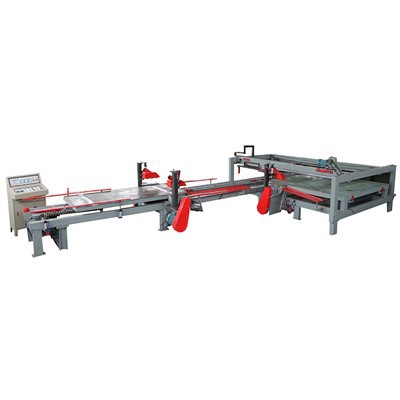
Single Moving Plate Cold Press As a gluing machine supplier, I am committed to providing my customers with the highest quality gluing machines and the best advice on choosing the right glue for their specific applications. If you have any questions or need further assistance in selecting the right glue for your gluing machine, please do not hesitate to contact me. I would be happy to help you find the perfect solution for your gluing needs.
References
- "Handbook of Adhesive Technology," Second Edition, edited by A. Pizzi and K. L. Mittal.
- "Adhesives and Sealants Technology Handbook," Second Edition, edited by Michael Szycher.
- "The Adhesive Bonding Handbook," Third Edition, edited by David A. Dillard.
Jiashan Changle Machinery Manufacturing Co., Ltd.
We’re well-known as one of the leading gluing machine manufacturers and suppliers in China, also support customized service. Please feel free to buy advanced gluing machine for sale here from our factory. Quality products and punctual delivery are available.
Address: Building 12, Zone A, Wanyang Innovation City, No. 23 Yucao South Road, Ganyao Town, Jiashan County, Jiaxing City, Zhejiang Province
E-mail: Changle84615620@163.com
WebSite: https://www.changlejx.com/
