Hey there, folks! I’m a supplier of display modules with HDMI boards, and I often get asked this question: "Is a display module with an HDMI board energy – efficient?" Well, let’s dive right in and break it down. Display Module with HDMI Board

First off, let’s understand what a display module with an HDMI board is. In simple terms, it’s a display unit that comes with an HDMI (High – Definition Multimedia Interface) board attached. The HDMI board is what allows the display to connect to various devices like laptops, gaming consoles, and media players, providing high – quality audio and video signals.
Now, when it comes to energy efficiency, it’s not a one – size – fits – all answer. There are several factors that can influence how much power a display module with an HDMI board consumes.
One of the key factors is the type of display technology used. There are different types out there, such as LCD (Liquid Crystal Display) and OLED (Organic Light – Emitting Diode). LCDs are quite common. They work by having a backlight that shines through liquid crystals to create an image. The energy consumption of an LCD display module with an HDMI board largely depends on the brightness of the backlight. If you set the brightness to a high level, the backlight has to work harder, and that means more power consumption. On the other hand, if you keep the brightness at a reasonable level, you can save a fair amount of energy.
OLED displays, on the other hand, are a bit different. Each pixel in an OLED display emits its own light, so there’s no need for a backlight. This can be a huge advantage in terms of energy efficiency, especially when displaying dark or black content. In those cases, the pixels that are supposed to be black simply turn off, consuming no power at all. However, when it comes to displaying bright colors, OLEDs can consume more power compared to LCDs in some situations.
Another important factor is the size of the display. Generally speaking, larger displays tend to consume more power than smaller ones. This is because there are more pixels that need to be lit up to create an image. So, if you’re concerned about energy efficiency, you might want to consider a smaller display module with an HDMI board.
The resolution of the display also plays a role. Higher – resolution displays have more pixels, which means more power is needed to drive them. For example, a 4K display will consume more energy than a 1080p display of the same size. But of course, 4K offers much sharper and more detailed images, so it’s a trade – off between picture quality and energy consumption.
Now, let’s talk about the HDMI board itself. The HDMI board is responsible for receiving and processing the audio and video signals. Modern HDMI boards are designed to be quite efficient. They use advanced chipsets that are optimized for low – power operation. However, if you’re using a display module with an older HDMI board, it might consume a bit more power.
Some display modules with HDMI boards also come with energy – saving features. For example, many of them have an auto – dim function. This function senses the ambient light in the room and adjusts the display brightness accordingly. If it’s a dark room, the display will automatically dim, saving energy. There are also sleep modes. When the display hasn’t received a signal for a certain period of time, it will go into a low – power sleep mode, consuming very little energy until it’s woken up again.
So, is a display module with an HDMI board energy – efficient? It really depends on the specific product and how you use it. If you choose a display technology that’s known for its energy efficiency, like OLED, and you keep the brightness at a reasonable level, and take advantage of the energy – saving features, then yes, it can be quite energy – efficient.
As a supplier, we’re always looking for ways to make our display modules with HDMI boards more energy – efficient. We’re constantly researching and developing new technologies to reduce power consumption without sacrificing performance. For example, we’re working on improving the power management of the HDMI boards and finding more efficient ways to drive the display pixels.
If you’re in the market for a display module with an HDMI board and energy efficiency is one of your concerns, we’d love to talk to you. Our team of experts can help you choose the right product based on your specific needs, whether it’s for home use, a business setting, or something else.
In conclusion, energy efficiency is an important aspect to consider when choosing a display module with an HDMI board. By understanding the factors that affect energy consumption and making smart choices, you can get a product that not only meets your display needs but also helps you save on energy costs in the long run.
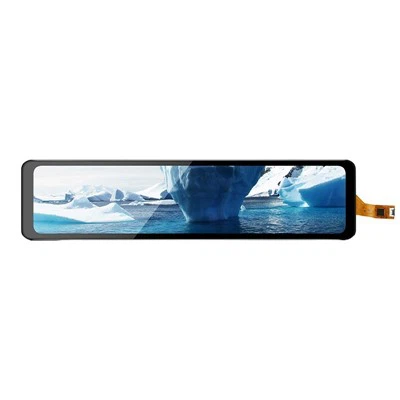
If you’re interested in learning more about our display modules with HDMI boards or are looking to make a purchase, don’t hesitate to reach out. We’re here to provide you with all the information you need and guide you through the whole process.
Standard Capacitive Touch Screen References:
- Display Technology and Energy Consumption Reports by Industry Research Firms
- Technical Documentation of HDMI Board Components
- Studies on Power Management in Display Devices
Shenzhen Mingqi Photoelectric Co., Ltd.
We’re well-known as one of the leading display module with HDMI board manufacturers and suppliers in China, featured by quality products and good price. Please rest assured to buy bulk customized display module with HDMI board from our factory. Welcome to view our website for more information.
Address: 3rd Floor, Building A, Fufang Science and Technology Park, Xintian Community, Fuhai Street, Baoan District, Shenzhen, Guangdong
E-mail: mingqisales@gmail.com
WebSite: https://www.mq-screen.com/
